

UNICEF Uganda, in partnership with Kampala Capital City Authority (KCCA), Roofings Limited, Volcano Energy, and Fresh Yards Uganda, has launched the “My Green Action” Campaign, a behaviour change initiative designed to empower young people to take practical everyday actions for climate change mitigation and environmental stewardship.
- Advertisement -
The campaign uses FunDoo, U-Report by UNICEF’s digital chatbot and interactive learning companion, to equip young people with green skills and deepen their understanding of climate change, sustainability, and climate-positive behaviour.
Implemented by S4P (Solutions for People) Group, the campaign will be rolled out in ten secondary schools across Kampala and Wakiso districts from 18th June to 16th July 2026. Activities will include peer-to-peer discussions, training sessions, school-based outreach, community activations, digital engagement, and radio programming to promote youth participation in climate action and environmentally sustainable practices.
The “My Green Action” campaign responds to Uganda’s demographic and environmental context. Uganda has one of the youngest populations in the world, with approximately 78 per cent of its population under the age of 30. At the same time, the country is increasingly affected by climate-related challenges, including floods, landslides, prolonged droughts, rising urban heat effects, and solid waste mismanagement.
These interconnected pressures underline the urgent need to strengthen climate awareness, resilience, and action among young people, who have a defining role to play in shaping Uganda’s environmental future. The campaign is aligned with Sustainable Development Goal 13 (SDG 13) on Climate Action, which calls for urgent measures to combat climate change and its impacts by enhancing education, awareness, and capacity for informed action.
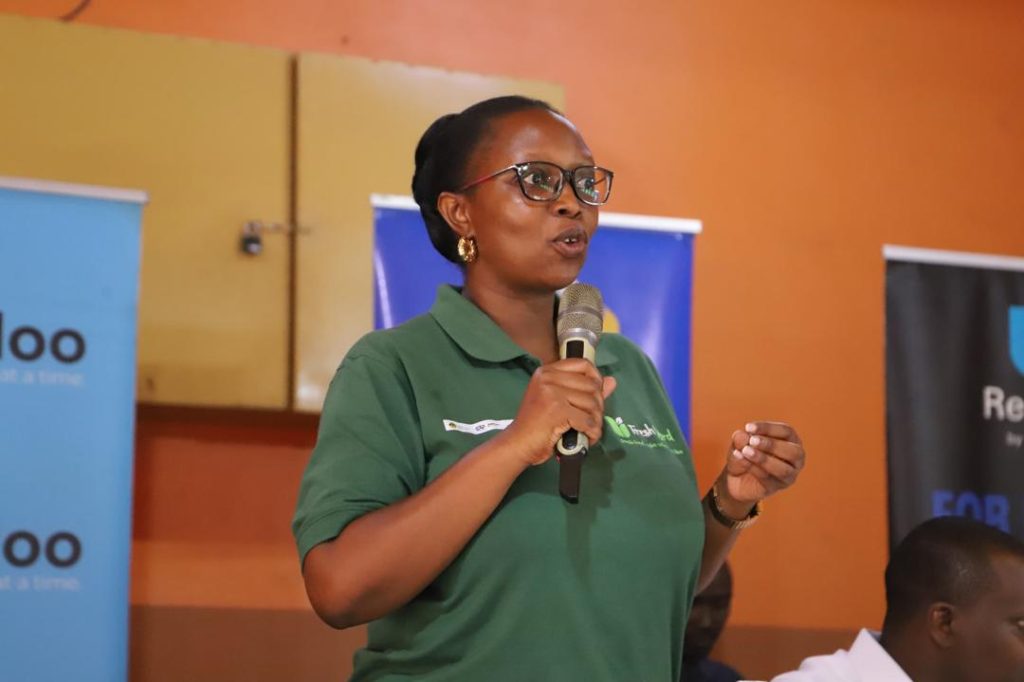
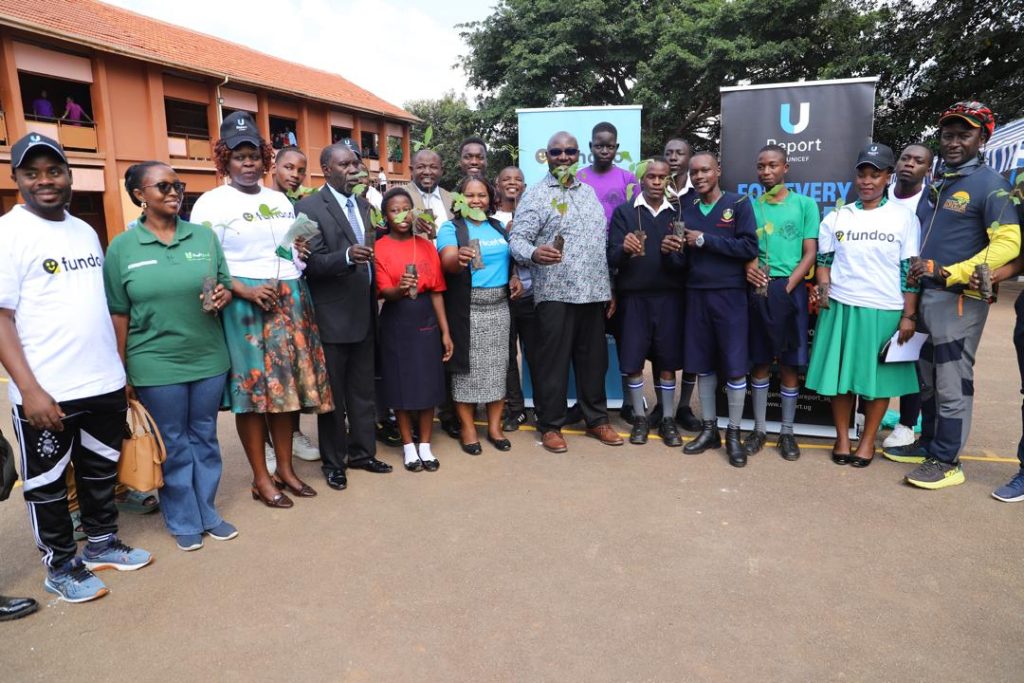
Speaking at the campaign launch at Kitante Hill School, Fatuma Namukose, U-Report Uganda Manager, said: “Through U-Report by UNICEF’s FunDoo life-coaching and interactive learning activities under the My Green PAL task, the campaign will equip young people with practical green skills and knowledge, empowering them to become climate-conscious citizens and agents of change within their schools and communities. The campaign aims to reach at least 5,000 secondary school students.”
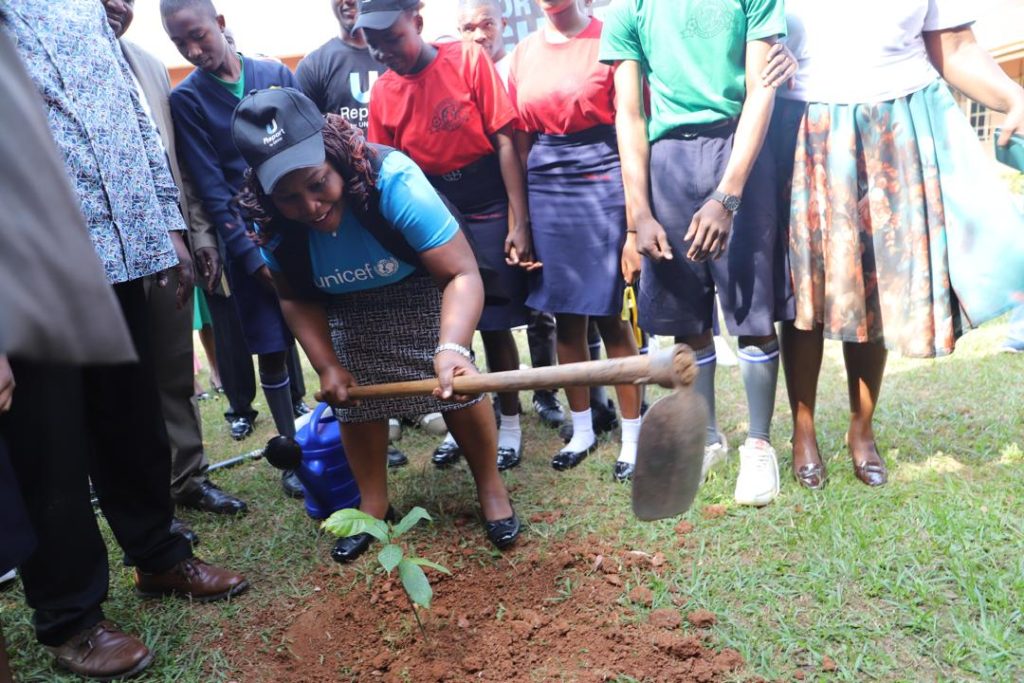
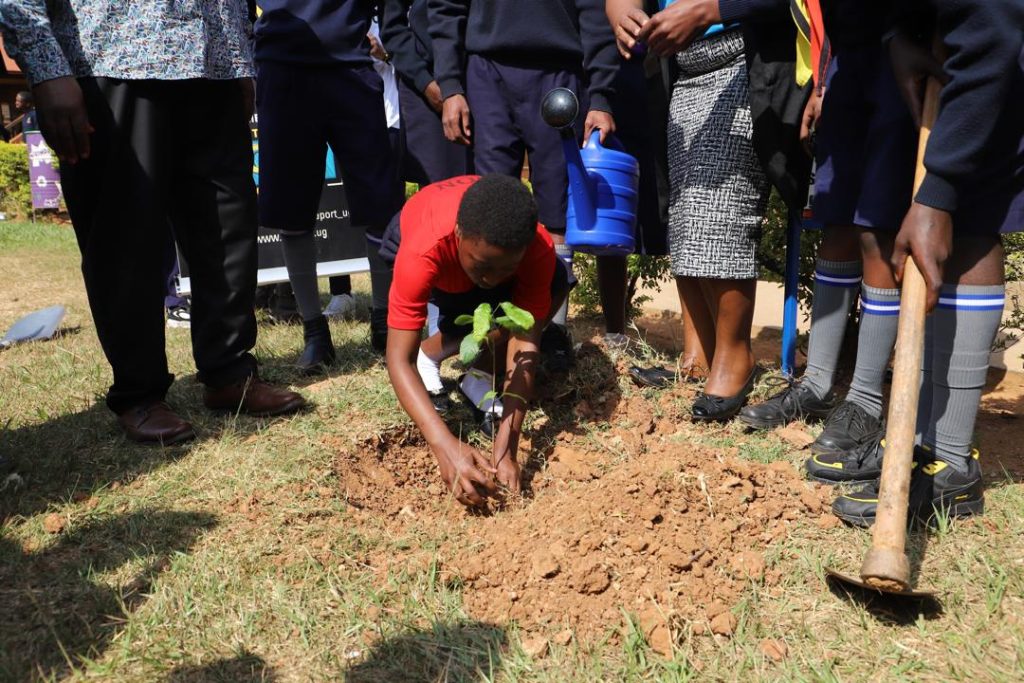
Namukose added, “At UNICEF, we believe that individual and collective everyday actions can make a significant difference in addressing climate change. Simple actions such as planting and nurturing trees, recycling and reusing materials, conserving water and energy, reducing plastic waste, adopting clean energy solutions, participating in community clean-up activities, promoting climate awareness among peers, and practicing sustainable consumption can have a lasting environmental impact.”
The Assistant Executive Director, Kampala Capital City Authority – Benon Kigenyi noted that in response to the various environmental challenges, KCCA has implemented a number of strategic initiatives aimed at building a greener, healthier, and more climate-resilient city to include:
-
Air Quality and Pollution:KCCA is implementing the Clean Air Action Plan, which seeks to reduce harmful air pollutants by 50 percent by 2030. This initiative is a major step towards improving public health and ensuring a sustainable future for Kampala.
-
Climate Action and Energy:Through the Kampala Climate Change Action strategy, KCCA aims to reduce greenhouse gas emissions by 22 percent by 2030. The strategy promotes the integration of climate change response measures across all city services and supports Kampala’s transition to a low-carbon development pathway.
-
Green Spaces and landscaping:KCCA is spearheading the Kampala Urban Forest Management Plan, which prioritizes the protection and restoration of urban tree cover while setting ambitious targets for expanding the city’s green canopy.
Kigenyi further noted that it has also rolled out the E-buses that are fully electric and KCCA continues to preserve key green spaces including Centenary Park, Chwa II children’s Park, Nakawa Park, city non-motorized transport corridors such as Namirembe Road, and roadside green belts along Nile Avenue, Parliament Avenue, and Luwum street. These green spaces play a vital role in improving air quality, reducing urban heat and enhancing biodiversity.