

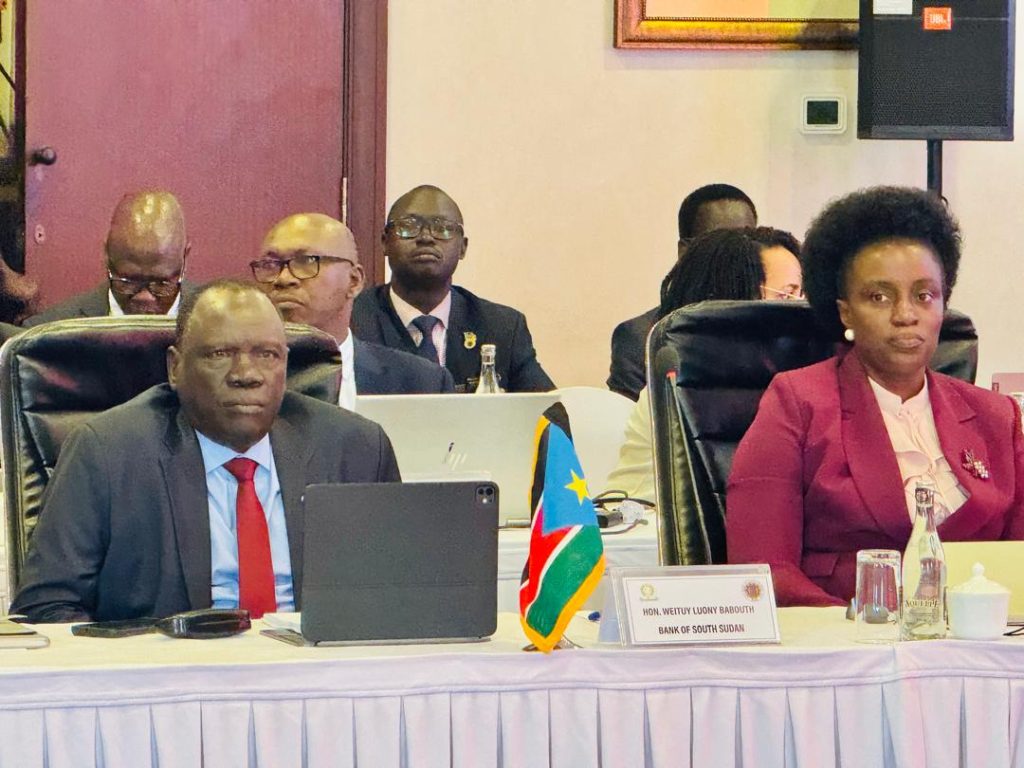
The Deputy Governor of the Bank of South Sudan Hon. Weituy Luony Babouth has called for stronger regional cooperation, sound macroeconomic policies, and sustained support from development partners to address climate-related disasters, particularly recurrent flooding, which continue to pose significant economic and social challenges.
- Advertisement -
Hon.Luony made the remarks during the 29th Ordinary Meeting of the East African Community Monetary Affairs Committee [MAC], held at Lake Victoria Serena Golf Resort & Spa in Uganda’s capital Kampala on Friday.
‘’Our economy, like others, continues to face significant challenges due to geopolitical tensions in the Middle East, the Sudan Refugee crisis, supply chain disruptions, rising energy costs, and climate-induced shocks. Although higher international crude oil prices have supported South Sudan’s export earnings, the benefits have been partly offset by increased import costs.Nevertheless, climate-related disasters, particularly recurrent flooding, continue to pose significant economic and social challenges through displacement, exacerbating Humanitarian situations and fuelling crises. Addressing these issues requires stronger regional cooperation, sound macroeconomic policies, and sustained support from development partners’’, said Luony.
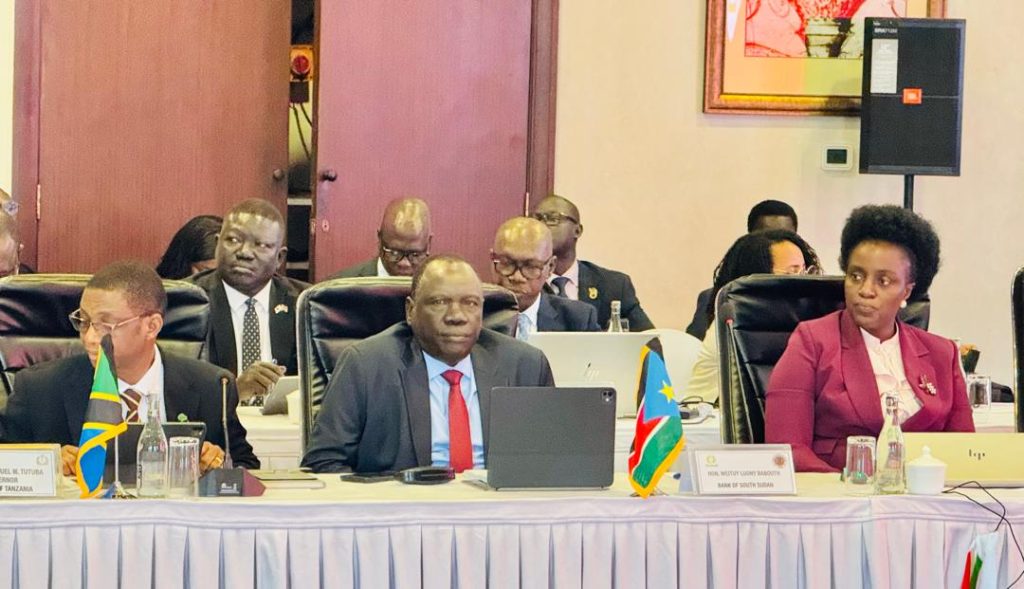
He said despite these challenges, South Sudan’s economic outlook remains positive.
‘’Real GDP growth is projected at approximately 6.2 per cent in 2026, supported by increased oil production and improved performance in the construction, trade, and transport sectors. Private sector credit has expanded by about 27.5 per cent, while inflation is projected to moderate to around 8.2 per cent by the end of the year. The Government also continues to collaborate closely with the IMF, World Bank, and African Development Bank to strengthen Public Financial Management reforms, enhance economic governance, and promote fiscal sustainability’’,added Luony.
He noted that the Bank of South Sudan remains fully committed to the work of the Monetary Affairs Committee and has actively participated in its Technical Working Groups, while benefiting from valuable technical assistance from the Partner States’ Central Banks.
‘’The Monetary Affairs Committee remains a cornerstone of the East African Monetary Union (EAMU) process, providing an important platform for reviewing macroeconomic developments, assessing the implementation of Governors’ decisions, strengthening policy coordination, and promoting regional financial and monetary stability. South Sudan reaffirms its commitment to the EAC integration agenda and the successful establishment of the East African Monetary Union by 2031’’.
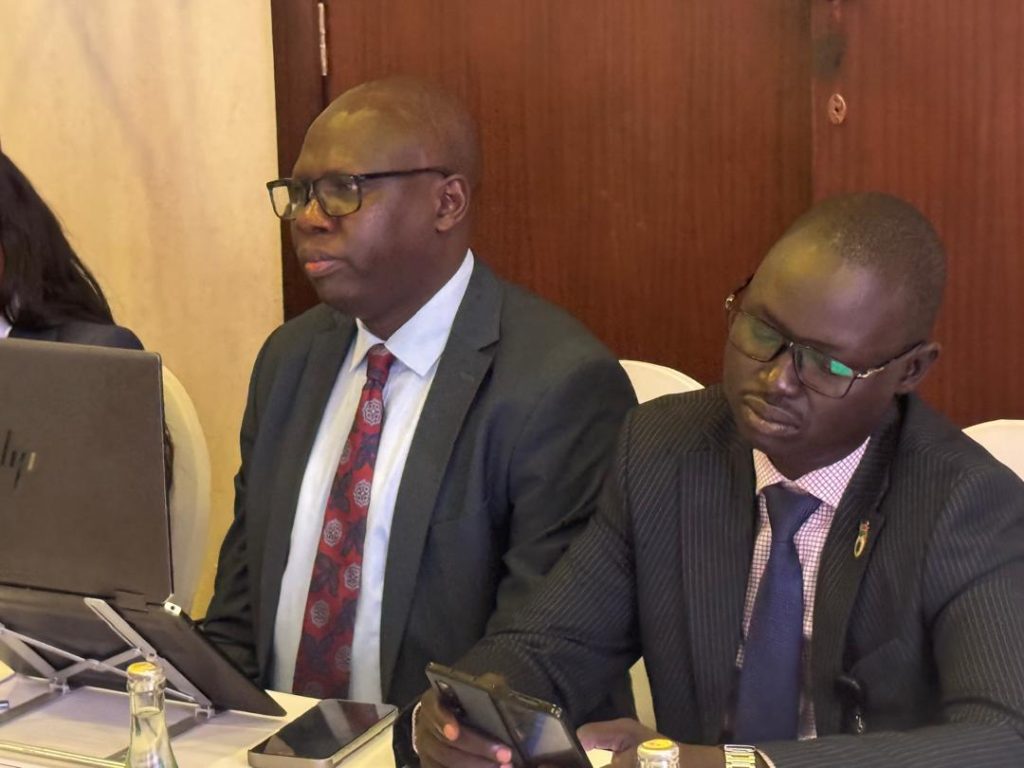
He urged member states to strengthen regional cooperation, deepen financial integration, and accelerate collective journey towards a resilient, prosperous, and fully integrated East African Community.
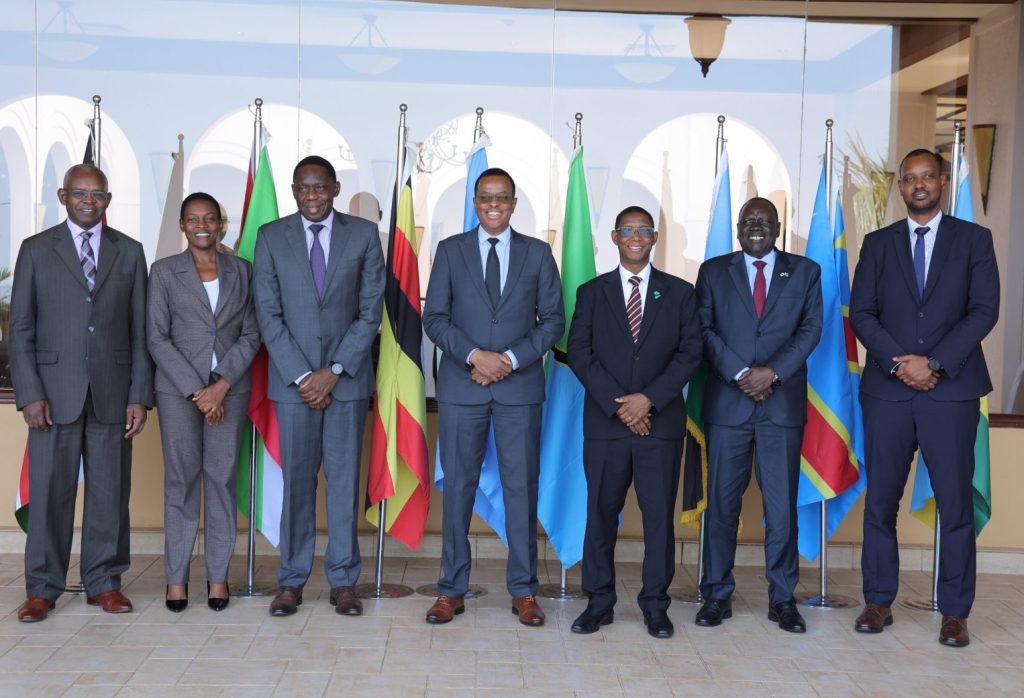
The meeting brought together governors and senior officials from the central banks of Uganda, Kenya, Tanzania, Burundi, South Sudan, Somalia and Rwanda, as well as representatives from the EAC Secretariat.
The Committee noted that the meeting took place against a backdrop of heightened global economic uncertainty, driven by rising international oil prices and increased shipping costs linked to the ongoing conflict in the Middle East.
The Committee also expressed confidence that regional currencies will remain broadly stable, supported by diversified foreign exchange inflows and ongoing reforms in domestic foreign exchange markets.