

As Uganda’s education sector confronts rising costs, increasing regulatory complexity, and shifting global standards, dfcu Bank has signaled a deeper strategic commitment to supporting institutional growth, sustainability, and long-term resilience, particularly within the country’s international schools’ segment.
- Advertisement -
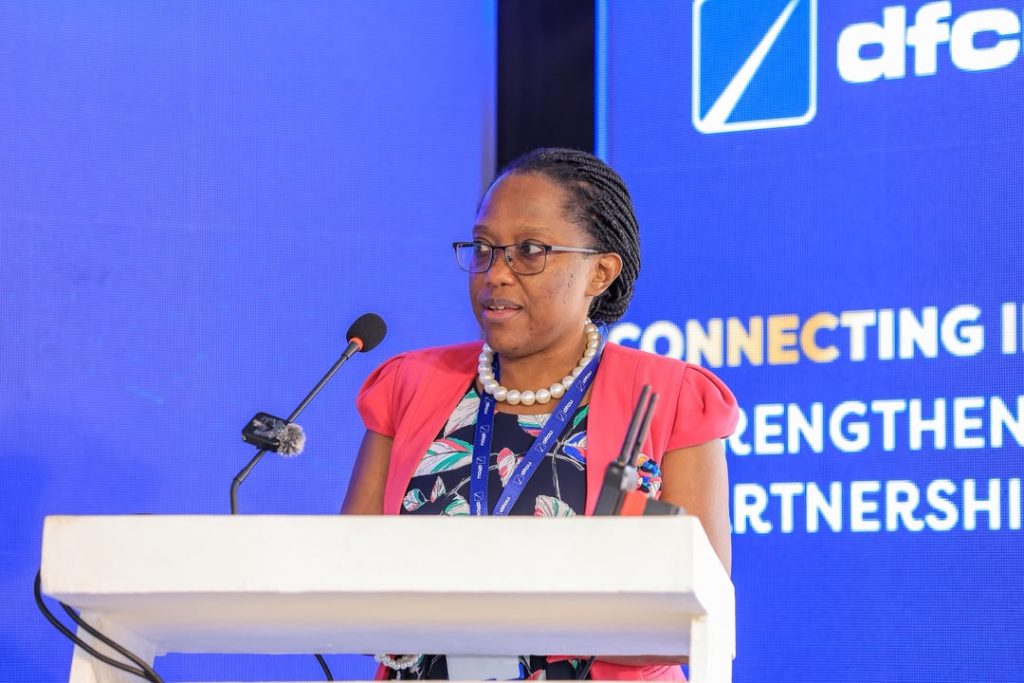
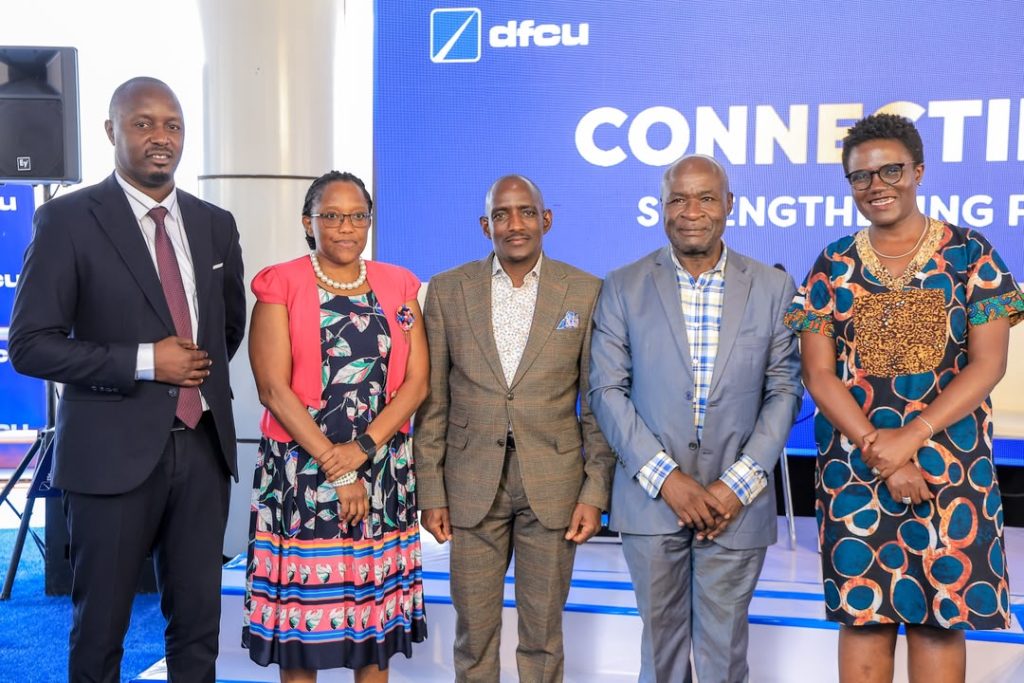
This position emerged during a high-level International Schools Forum hosted at dfcu’s Nakasero headquarters, convening school proprietors, education regulators, curriculum providers, and private sector partners to examine the structural challenges and emerging opportunities shaping education delivery in Uganda.
The dialogue comes at a time when private and international schools are under pressure to balance international accreditation standards with local operating realities; from foreign currency exposure on curriculum costs to the need for continued investment in infrastructure, technology, and staff retention.

Recent sector conversations have also pointed to a growing need for closer collaboration between policymakers and private education providers, particularly around regulatory clarity and financial sustainability
dfcu Bank’s engagement reflects a broader shift in how financial institutions are interacting with the education sector, moving beyond traditional lending toward more integrated, advisory-led partnerships.
Drawing on its long-standing role in Uganda’s economic development, including consistent support to sectors such as education, health, and enterprise, the bank positioned itself as a growth partner rather than just a financier.
Speaking at the forum, dfcu’s CEO Charles Mudiwa underscored the central role education plays in shaping national outcomes, linking today’s classroom experiences to the country’s future workforce and leadership.
“Schools shape the nation we become. The quality of education and the values imparted to young people ultimately determine the future of our country,” he said.
Mudiwa also highlighted the bank’s appreciation of the operational realities schools face; from infrastructure development and resource management to sustaining academic quality under evolving global frameworks – drawing from his own experience in education before transitioning into banking.
Uganda’s international schools segment has expanded significantly over the past decade, driven by demand for globally recognised curricula such as Cambridge, International Baccalaureate (IB), and Accelerated Christian Education (ACE).