

Buganda Kingdom Recognizes Ssegujja Ivan With Symbolic “Sir” Title at Kabaka’s Run in a Landmark Moment For Local Entrepreneurship And Cultural Honor
- Advertisement -
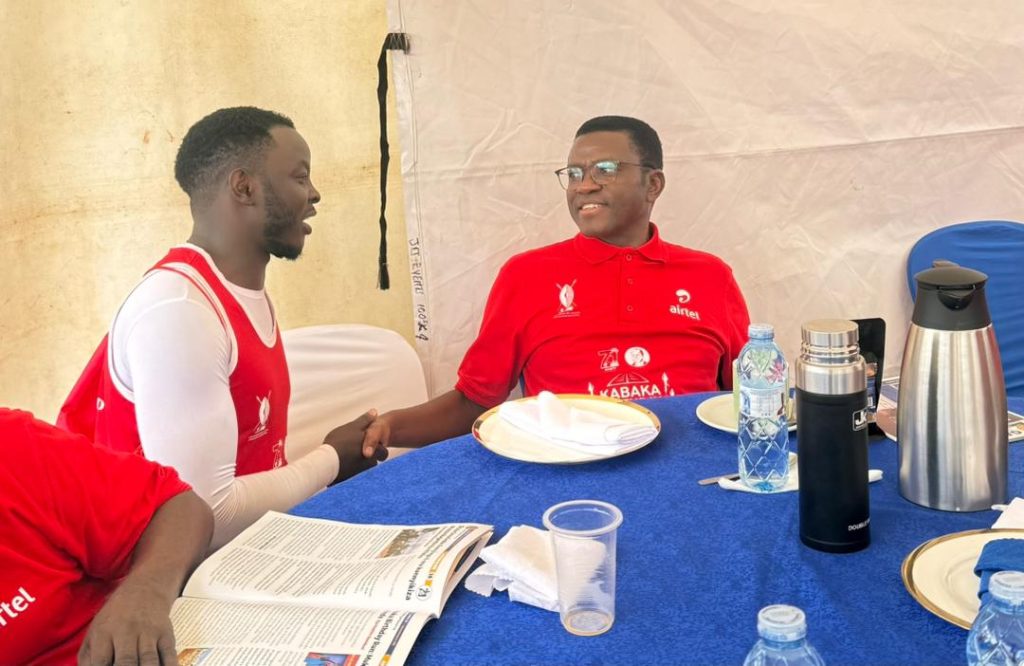
In a striking moment that blended culture, entrepreneurship, and public recognition, the Katikkiro of the Buganda Kingdom reportedly conferred the symbolic title “Sir” upon Ssegujja Ivan, Chief Executive Officer of Nsambya Furniture Workshop, during a recent edition of the annual Kabaka’s Run held in Kampala.
The event, which attracts thousands of participants from across Uganda and beyond, is widely known as one of the most significant cultural and health-awareness gatherings organized by the Buganda Kingdom. However, this year’s edition stood out for an additional reason: the public recognition of a grassroots entrepreneur whose work in furniture production and vocational skills development has gained increasing attention.
The moment has since sparked widespread discussion about the role of traditional institutions in recognizing modern entrepreneurship, the value of local craftsmanship, and the growing influence of small and medium enterprises in Uganda’s economic landscape.
THE KABAKA’S RUN: A CULTURAL MOVEMENT WITH A DEEPER PURPOSE
The Kabaka’s Run is not merely a sporting event. Over the years, it has evolved into a cultural institution that unites people under themes of health, identity, and community responsibility.
Organized under the leadership of the Buganda Kingdom, the event draws participation from a broad cross-section of society including royal family representatives, government officials, corporate sponsors, youth groups, cultural leaders, and ordinary citizens.
Its primary objective is to promote healthy living and raise awareness about non-communicable diseases such as diabetes, hypertension, and prostate cancer. Yet beyond health messaging, the event serves as a symbol of unity and cultural pride.
The run has become a platform where individuals are not only encouraged to exercise but also to reflect on their role in building stronger communities.
In recent years, the Kabaka’s Run has also expanded its role to include public recognition of individuals and organizations contributing to Uganda’s social and economic development.
It was within this evolving tradition that Ssegujja Ivan’s recognition took place.
A MOMENT THAT DEFINED THE DAY
During the ceremonial proceedings, the Katikkiro of Buganda reportedly acknowledged Ssegujja Ivan in front of participants and conferred upon him the honorary title “Sir.”
Although Uganda does not operate a formal knighthood system, the use of honorific titles within cultural institutions such as Buganda carries deep symbolic meaning. It reflects respect, achievement, and appreciation for contribution to society.
The announcement was met with applause from sections of the audience and quickly became one of the most discussed highlights of the event.
For many attendees, the recognition was seen as a celebration of local entrepreneurship and a sign that grassroots business leaders are gaining visibility within cultural spaces.
UNDERSTANDING THE MEANING OF “SIR” IN A CULTURAL CONTEXT
In Buganda cultural tradition, honorary titles are not legal designations but symbolic acknowledgments. They are used to reinforce values such as hard work, service, discipline, and community contribution.
The “Sir” title in this context represents:
* Recognition of contribution to society
* Appreciation of entrepreneurship and job creation
* Respect for cultural alignment with development goals
* Encouragement for continued positive impact
* Public validation of achievement within the community
Such honors are often used to motivate individuals to continue contributing to social and economic progress.
For Ssegujja Ivan, the recognition positions him within a growing group of Ugandans whose work is being acknowledged beyond their immediate industries.
WHO IS SSEGUJJA IVAN? A PROFILE OF A GRASSROOTS ENTREPRENEUR
Ssegujja Ivan is the Chief Executive Officer of Nsambya Furniture Workshop, a Kampala-based enterprise specializing in furniture production, interior design, and woodcraft solutions.
His journey reflects the reality of many Ugandan entrepreneurs who begin with limited resources but grow through skill, persistence, and customer trust.
Starting from modest beginnings, Ivan built his business step by step, focusing on quality workmanship and practical solutions for everyday household and office needs.
Nsambya Furniture Workshop has become known for producing:
* Custom-made sofas, beds, and cabinets
* Office furniture and interior installations
* Wooden décor and finishing work
* Furniture repair and restoration services
* Affordable urban furniture solutions
The workshop’s growth is largely attributed to its adaptability to customer needs and its emphasis on locally relevant designs.
Rather than relying on mass production or imported designs, the business focuses on craftsmanship tailored to Kampala’s urban lifestyle.
THE EXPANDING FURNITURE INDUSTRY IN UGANDA
Uganda’s furniture sector has grown steadily due to urbanization, population growth, and changing lifestyle demands.
In cities like Kampala, increasing demand for housing and commercial spaces has driven the need for:
* Home furnishing solutions
* Office setups and corporate interiors
* Rental apartment furniture
* Hospitality industry furnishing
* Affordable local alternatives to imported products
This environment has created opportunities for local artisans and workshops to expand their operations.
Nsambya Furniture Workshop represents this growing segment of local production businesses that support employment and skills development.
THE ROLE OF BUGANDA KINGDOM IN MODERN SOCIETY
The Buganda Kingdom remains one of Uganda’s most influential cultural institutions. While rooted in tradition, it has increasingly adapted to modern social and economic realities.
The Katikkiro, as the Kingdom’s administrative head, plays a key role in coordinating development programs, cultural initiatives, and public engagement activities.
In recent years, the Kingdom has focused on:
* Youth empowerment programs
* Health awareness campaigns
* Cultural preservation initiatives
* Support for local entrepreneurship
* Education and community development projects
Through public events like the Kabaka’s Run, the Kingdom connects with citizens while promoting both cultural identity and development goals.
The recognition of individuals like Ssegujja Ivan reflects this evolving role.