
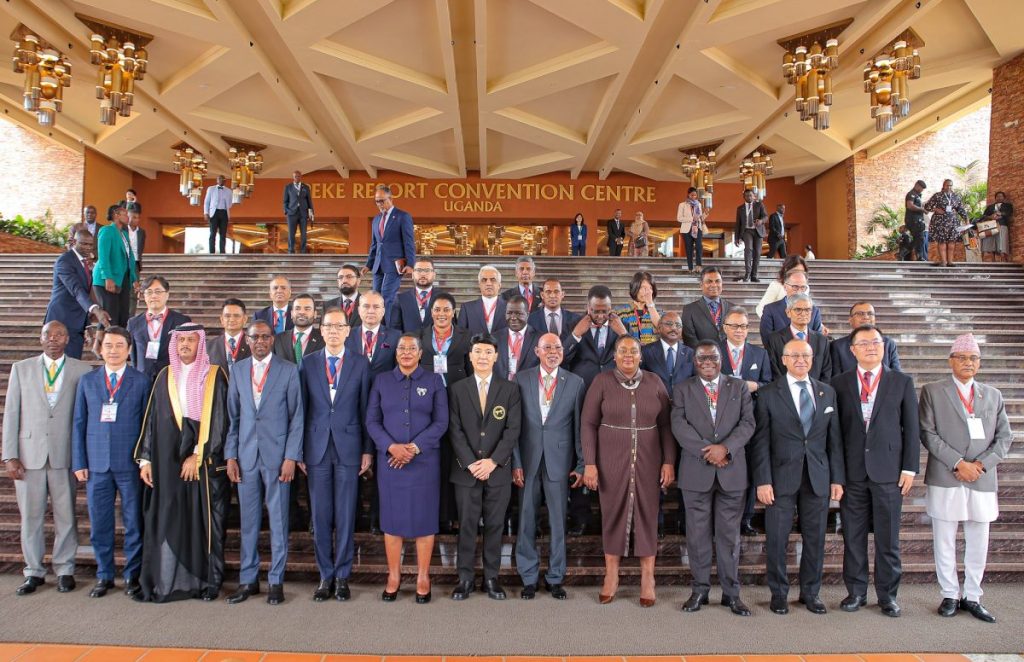
Government representatives and legal experts from 49 member states of the Asian-African Legal Consultative Organization (AALCO) convened Monday in Kampala for the body’s 63rd annual session, focusing on strengthening international law cooperation amid global challenges.
- Advertisement -
The five-day meeting at Speke Resort Munyonyo opened with Uganda’s Parliament Speaker Anita Among delivering President Yoweri Museveni’s keynote address, emphasizing Asia-Africa solidarity in addressing unprecedented global challenges from climate change to cybersecurity.
Museveni highlighted how rapid technological advances, artificial intelligence developments and cybersecurity threats raise complex legal questions demanding urgent attention from developing nations. He urged AALCO not merely to respond to global legal developments but to shape them around priorities including sustainable development, sovereignty and justice.
The gathering comes as Uganda chairs the Non-Aligned Movement from 2024-2027, positioning the East African nation strategically to channel issues relevant to developing countries, according to Justice Minister Norbert Mao.
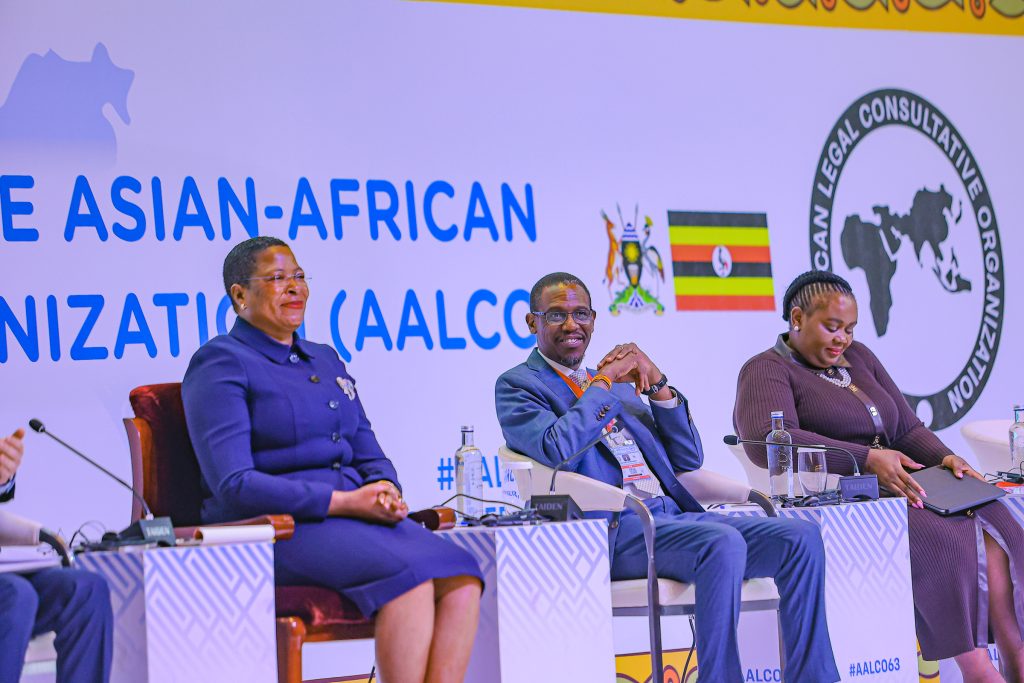
Uganda’s Attorney General Kiryowa Kiwanuka emphasized the meeting will articulate shared legal perspectives of Asia and Africa on the global stage, addressing interests of member states in international law frameworks.
Thailand’s deputy director-general Songchai Chaipatiyut stressed that “force of law, not law of force” must govern the international system, calling for international law that accounts for developing state realities. He expressed confidence that deliberations would strengthen AALCO’s voice in shaping just and inclusive legal order.
AALCO Secretary-General Kamalinne Pinitpuvadol said global challenges demand solidarity and respect for international law. The session will address critical issues including law of the sea, the Palestinian question, environmental protection, sustainable development, trade and investment, and migrant worker rights.
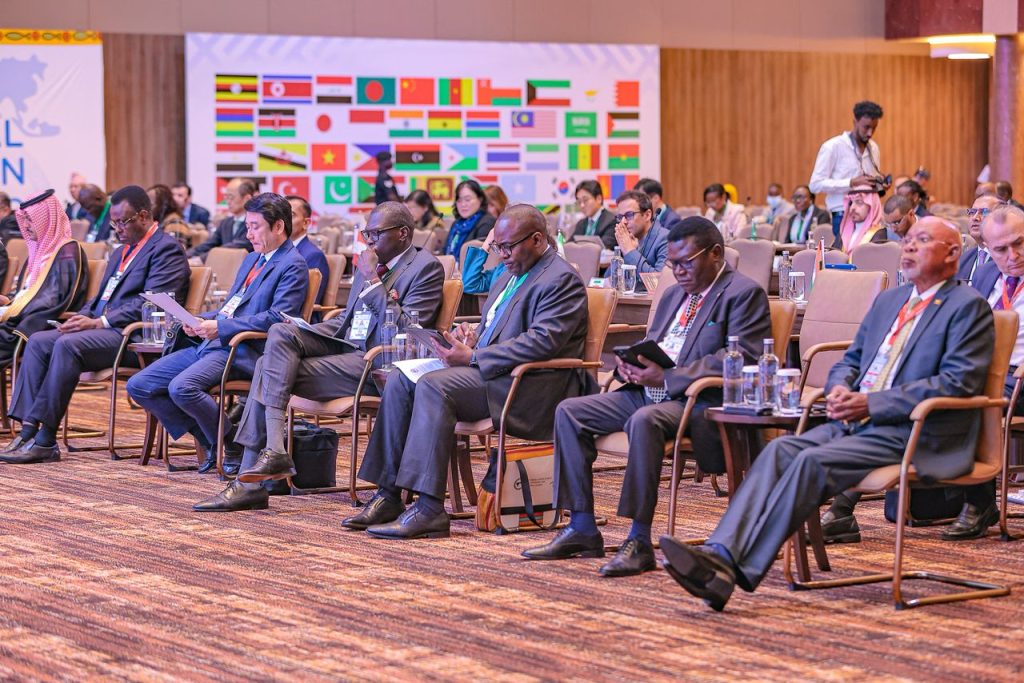
Delegates from more than 47 AALCO member states are attending alongside representatives from international organizations and legal experts from Asia and Africa, reflecting broad participation in the regional consultation process.