

Uganda’s energy transition and infrastructure ambitions will require more than the availability of capital. Stronger partnerships between financial institutions, development partners and government will be critical to unlocking the long-term financing needed to deliver transformational projects, according to Moses Malinga, Sector Head – Infrastructure and Energy at dfcu Bank.
- Advertisement -
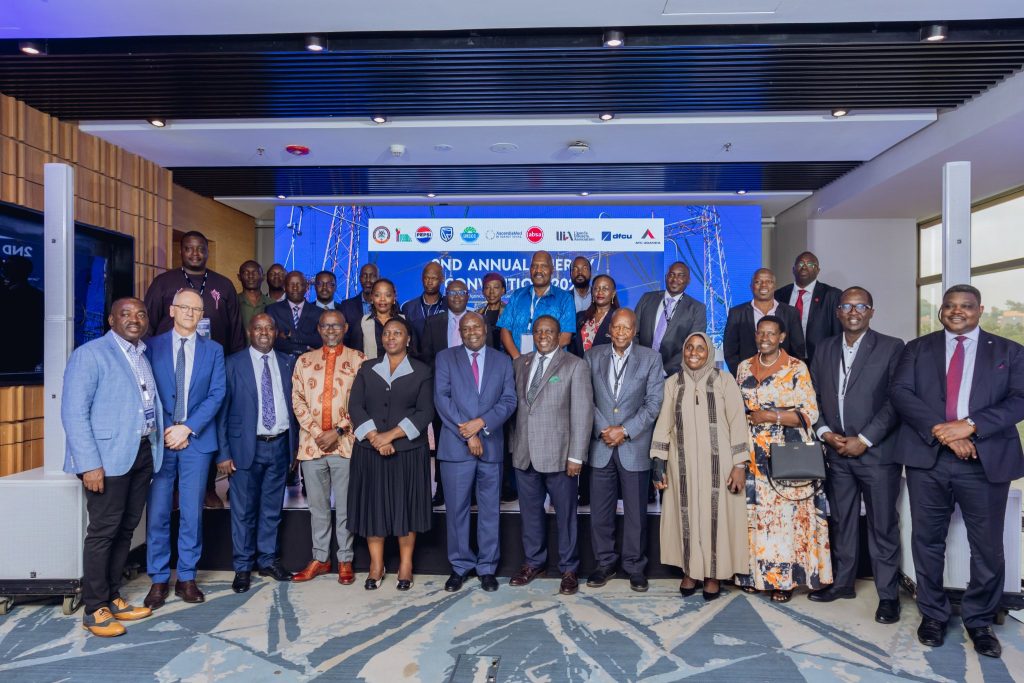
Speaking at the 2nd Annual Energy Convention 2026 held at Four Points by Sheraton in Kampala, Malinga outlined the financing reforms and collaborative mechanisms needed to enable commercial banks to play a greater role in supporting Uganda’s infrastructure, energy and industrialisation agenda.
His remarks were made during a panel discussion moderated by Samuel Ocanya, which examined domestic bank capacity for project finance, blended financing instruments and Uganda’s evolving green finance ecosystem.
Malinga noted that one of the biggest challenges facing commercial banks is the mismatch between the short-term nature of most bank funding and the long-term capital requirements of infrastructure and energy projects.
“Access to long-term financing remains one of the biggest constraints for commercial banks. Infrastructure projects require patient capital, sophisticated technical risk assessment and financing structures that often extend well beyond traditional lending tenors.”
Despite these challenges, Malinga said dfcu Bank has continued to support complex infrastructure and energy projects through strategic partnerships with Development Finance Institutions (DFIs).
He explained that co-underwriting arrangements with DFIs enable the bank to participate in projects that may otherwise exceed the capacity or risk appetite of a single commercial lender. These partnerships provide access to longer-term funding while strengthening project appraisal through shared expertise, helping commercially viable projects reach financial close.
“Blended financing structures are becoming increasingly important in supporting Uganda’s development priorities. Partnerships between commercial banks and development finance institutions allow us to mobilise larger pools of capital while managing risk responsibly.”