

In its alternative budget for the 2026/27 financial year, the Opposition has warned that Uganda’s rising debt burden, shifting fiscal targets and controversial tax proposals risk undermining livelihoods, weakening institutions and choking service delivery.
- Advertisement -
Presenting the proposals at Parliament on Tuesday, 07 April 2026, the Leader of the Opposition, Hon. Joel Ssenyonyi said the country’s current fiscal path is unsustainable, with the bulk of government spending already locked into debt obligations and fixed costs.
He said that under the proposed national budget of over Shs78 trillion, more than half of the resources are pre-committed, leaving limited fiscal space for critical sectors such as health, education and infrastructure.
“For every Shs1,000 collected in taxes, more than Shs300 goes directly to lenders,” Ssenyonyi said warning that, ‘Uganda is increasingly borrowing not for development, but for survival’.
The Opposition estimates that only about Shs34.2 trillion which is close to 44 per cent of the budget is available for discretionary spending, a squeeze it says is already being felt through underfunded public services, stalled projects and widening inequality.
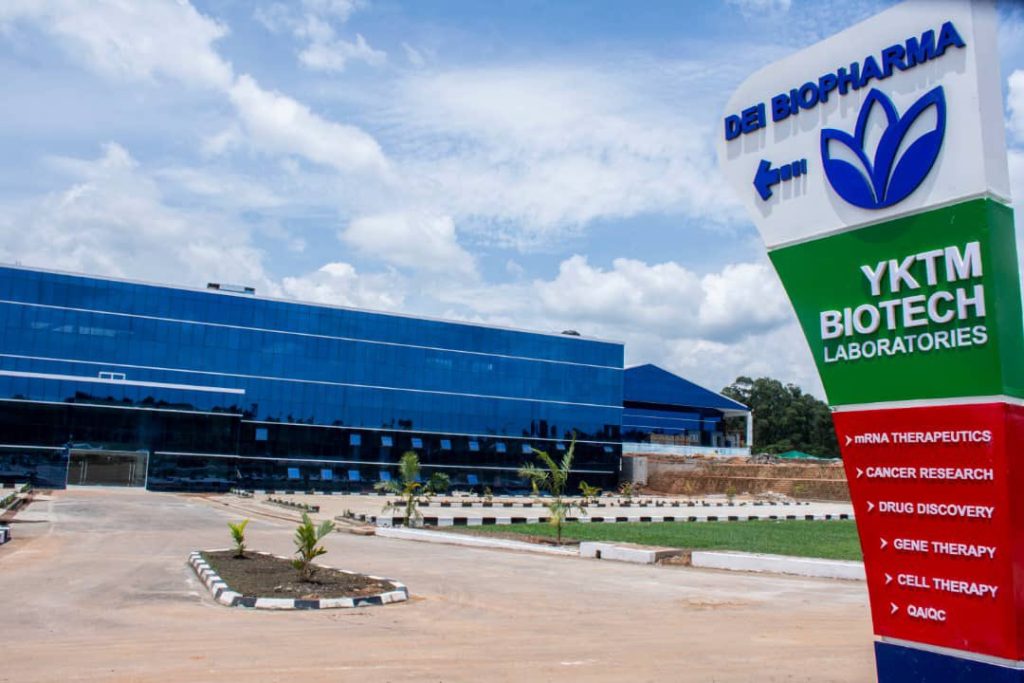
The Opposition singles out a number of projects including Atiak Sugar Factory, Dei BioPharma, Lubowa International Specialised Hospital and the Inspire Africa coffee initiative describing them as examples of investments that have absorbed significant public funds without delivering commensurate value.
Ssenyonyi said such projects reflect deeper weaknesses in public finance management and prioritisation, arguing that government must shift focus from prestige investments to service delivery.
The Executive Director of the Civil Society Budget Advocacy Group (CSBAG), Julius Mukunda said persistent changes in budget estimates point to deeper planning challenges.
“These numbers are a moving target. Today it is Shs84 trillion, tomorrow Shs43 trillion. Parliament must work with concrete and consistent figures,” Mukunda said.
He noted that debt servicing alone is consuming nearly 39 per cent of the budget, leaving little room for development expenditure.
“We believe your priority is where your money is and most of the money is going into debt,” he added.
Mukunda also highlighted a financing gap in key government programmes, particularly under the National Development Plan, where sectors such as agro-industrialisation face a shortfall of about Shs8.1 trillion.
Mukunda argued that Uganda can raise more domestic revenue without increasing tax rates by improving efficiency, including leveraging local governments to support tax collection.