

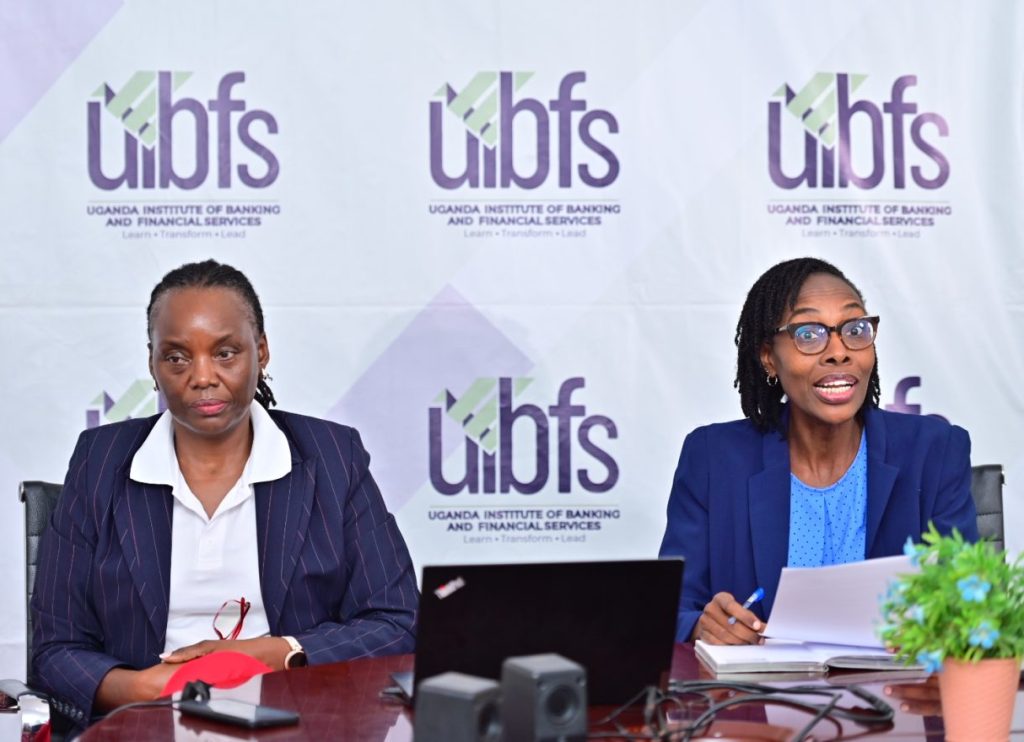
The Uganda Institute of Banking and Financial Services (UIBFS) today officially launches the 2025–2026 Banking and Financial Services Awareness Campaign (BAFSAC) webinar series, marking the first major activation of the campaign this year under the theme “Planned Adult”.
- Advertisement -
The launch coincided with the first webinar in the series titled “Financial Health: From Earnings to Sustainability,” delivered by Mrs. Goretti Masadde, Chief Executive Officer of UIBFS, and moderated by Ms. Grace Muwanguzi, Head of Learning and Development at Stanbic Bank. The session is focussed on practical approaches to improving personal financial health and shifting mindsets from short-term survival to long-term financial sustainability.
Now in its 6th season, BAFSAC was officially launched on 31st October 2025 and continues to serve as a national platform for promoting responsible financial behaviours among individuals and institutions. This year’s campaign places emphasis on intentional financial decision-making across key pillars including planning, saving, investment, responsible borrowing, insurance, retirement planning, digital finance, and sustainability.
As part of the 2025–2026 rollout, UIBFS will host a series of weekly webinars every Friday from 3:00 PM to 4:30 PM, starting today through the month of February, covering a wide range of timely and relevant topics. These include institutional sustainability, practical financial planning for professionals, and navigating the social and financial implications of lending and generosity. The webinar series is open to the public at no cost and aims to make financial literacy accessible, practical, and engaging.
Speaking at today’s launch, Mrs. Goretti Masadde emphasizes the importance of sustained financial education:
“The Planned Adult campaign is about helping individuals and institutions move beyond reactive financial decisions. Through these weekly conversations, we are creating space for honest dialogue, learning, and behaviour change that supports long-term financial and economic resilience.”