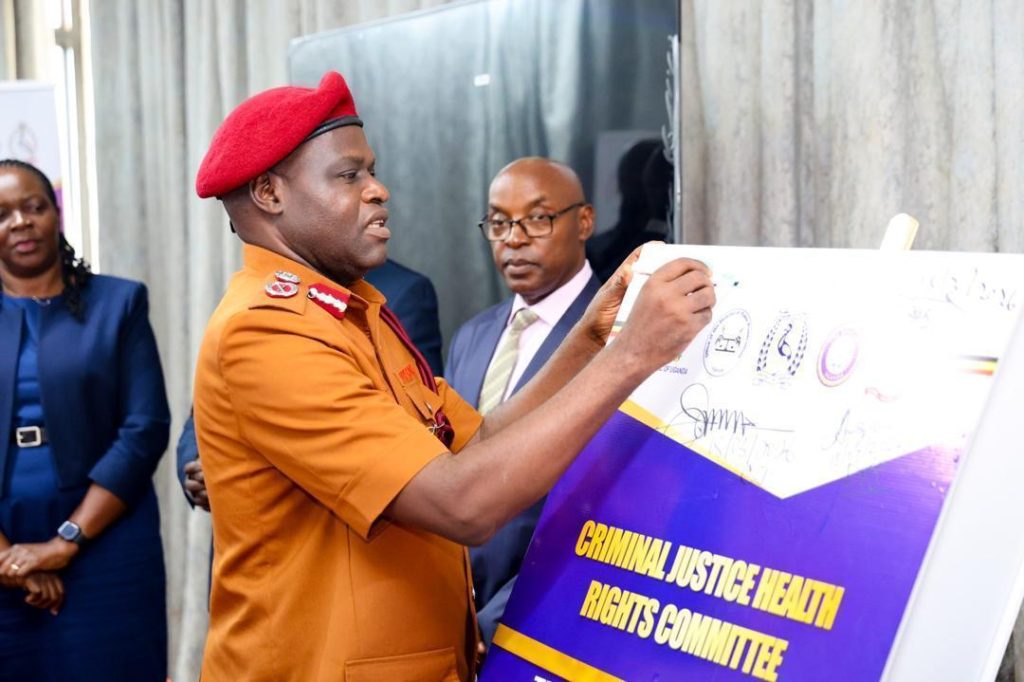

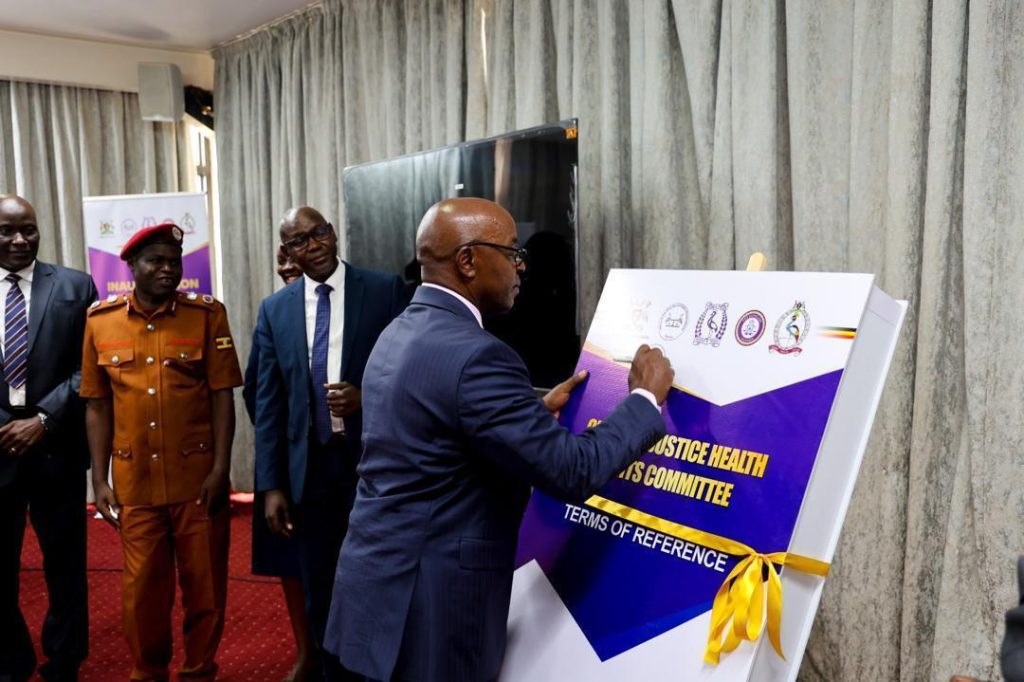
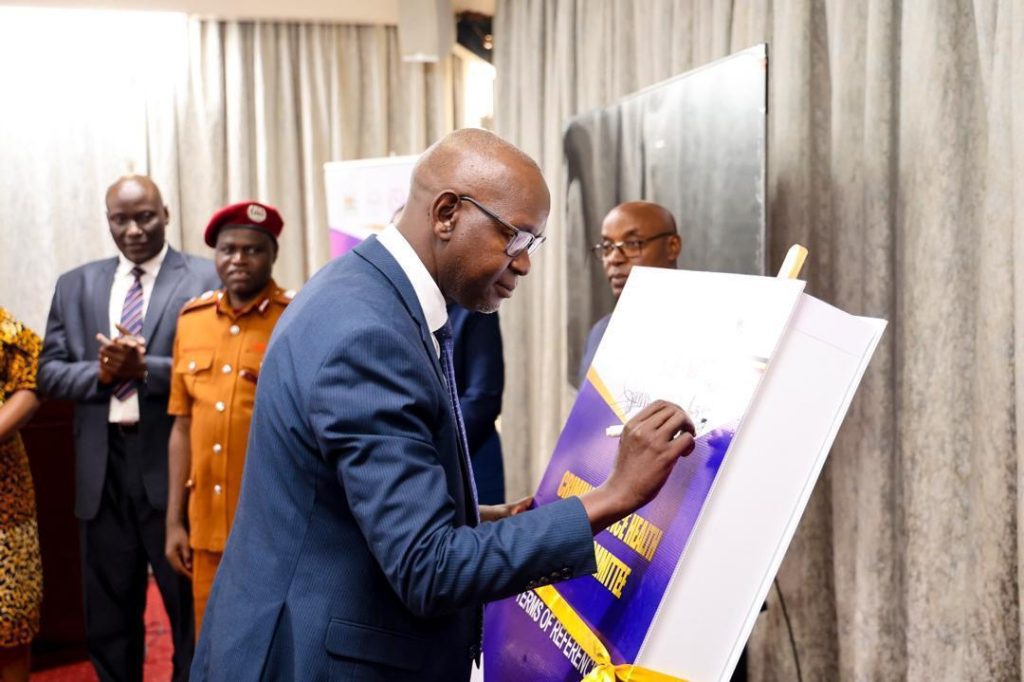
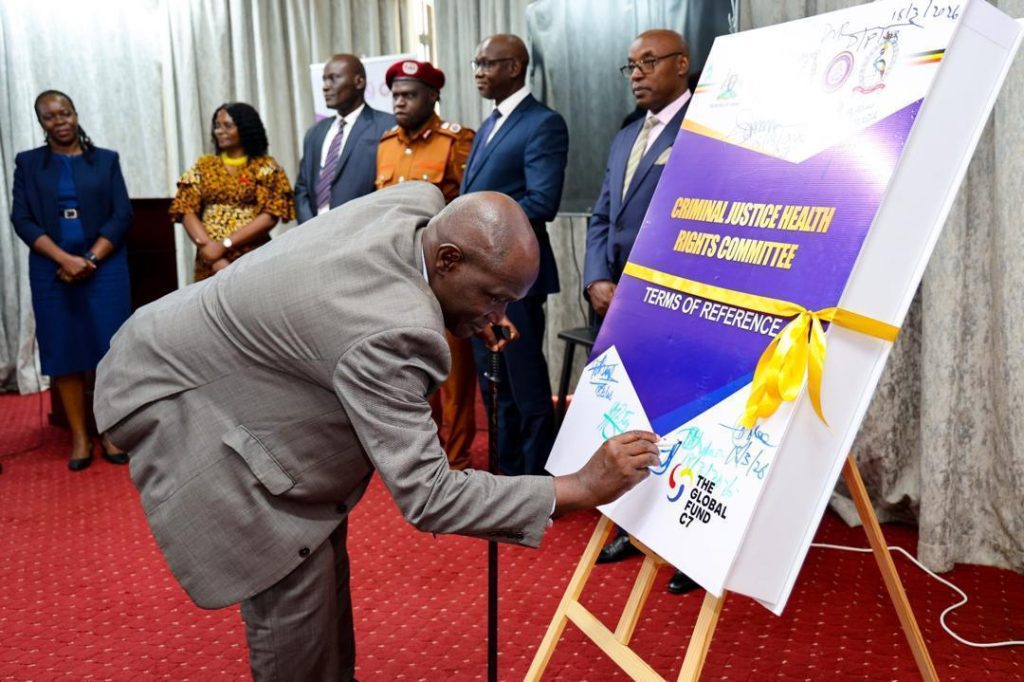
Today marks a significant milestone in advancing equitable access to healthcare and upholding human rights within the Criminal Justice System, with the official inauguration of the Health Rights Committee for the Criminal Justice System and the launch of its Terms of Reference by the Chief Justice, Hon. Justice Dr. Flavian Zeija, at Protea Skyz Hotel, Kampala.
- Advertisement -
The newly established Committee includes leaders of the Criminal Justice institutions: The Chief Justice of the Republic of Uganda, the Director of Public Prosecutions, the Inspector General of Police, and the Commissioner General of Prisons. Its formation underscores a shared commitment to addressing systemic health challenges faced by individuals within the Criminal Justice System, especially those in detention, remand, and correctional facilities, as well as police officers, prosecutors, and judicial officers.
According to the Director of Public Prosecutions, Mr. Lino Anguzu, who presented the Terms of Reference at the meeting today, the Committee’s core mandate is to provide leadership, oversight, technical guidance, and support to ensure that health services within the Criminal Justice System are accessible, equitable, and aligned with national and international human rights standards.
The Committee will also serve as a platform for coordination among key actors, fostering a holistic and rights-based approach to health service delivery.
In his address, the Chief Justice, Hon. Justice Dr. Flavian Zeija, emphasized how disease is a silent disruptor of justice. He remarked that, “When a suspect is too ill to stand trial, when an investigator is sidelined by malaria or any other disease, or when a prison ward becomes a TB or HIV hotspot, the wheels of justice grind to a halt. We must therefore intentionally target the triple threat of HIV, TB, and Malaria – diseases that can thrive in the congested environments of our holding cells, remand homes, and prisons.”