

Communities across northern and western Uganda are beginning to experience the benefits of the Forests and Protected Areas for Climate Smart Development (IFPA-CD) Project, an initiative implemented by NIRAS International Consulting and its consortium partners The Environmental Conservation Trust of Uganda (ECOTRUST), Green Life International and Havilla Company Limited, under the Ministry of Water and Environment with funding from the World Bank.
- Advertisement -
The project, which came to an end on 30th June 2026, was being implemented in 19 districts, with the aim to restore degraded landscapes while improving household incomes through commercial tree growing. The districts included; Adjumani, Amuru, Lamwo, Obongi, Moyo, Arua, Koboko, Yumbe, Madi-Okollo, Kiryandongo, Hoima, Kagadi, Kikuube, Kibaale, Kakumiro, Kyegegwa, Kitagwenda, Kyenjojo and Kamwenge.
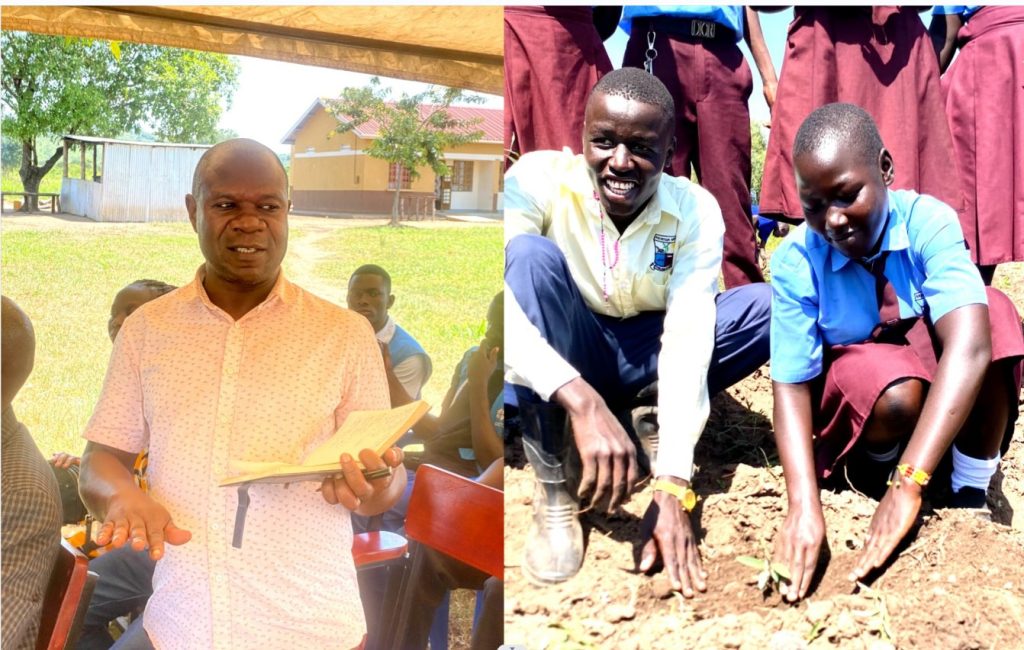
Working closely with district and sub-county local governments, the project has identified interested farmers and supported them with quality tree seedlings and technical guidance. Farmers have voluntarily offered land ranging from 0.25 hectares to nearly 10 hectares for tree planting.
Although the project was originally designed to run for several years, it was implemented over a nine-month period, prompting the consortium and the Ministry of Water and Environment to focus on achieving 40 percent of the overall target area. Despite the shorter implementation period, several districts have surpassed their targets, with Adjumani, Amuru and Yumbe recording remarkable performance.
Besides supplying seedlings, the project has emphasized proper land preparation, quality standards and farmer participation. Communities have been trained in the importance of planting the right tree species, preparing planting pits and managing their woodlots to ensure high survival rates and long-term benefits.
According to Deziderius Irumba, Community Engagement Expert at NIRAS International, the project has generated strong interest among communities, with many people continuing to register even after the exercise had officially closed.
“One of the biggest impacts we have seen is the enthusiasm among communities. People have embraced tree growing because they understand its value. We have also ensured quality standards and prepared farmers properly so that the trees planted can provide lasting benefits to families and reduce pressure on natural forests,” said Irumba.