

For decades, stories about the continent were often shaped through external lenses – frequently flattening Africa into familiar tropes of poverty, conflict and crisis. But a new generation of filmmakers is changing that narrative, creating work that is more textured, self-defined and reflective of the continent’s cultural, linguistic and economic complexity.
- Advertisement -
At the centre of this shift is the MultiChoice Talent Factory (MTF), MultiChoice’s pan-African training initiative designed to equip emerging filmmakers with the technical expertise, industry access and creative confidence to participate meaningfully in Africa’s growing film and television economy.
As streaming platforms intensify their investment in local content and audiences increasingly demand stories that feel authentic and differentiated, Africa’s creative industries are no longer operating at the margins of global entertainment. They are becoming strategic cultural and economic assets. But what distinguishes many emerging African filmmakers is not simply technical sophistication, it is their willingness to tell stories from the inside out.
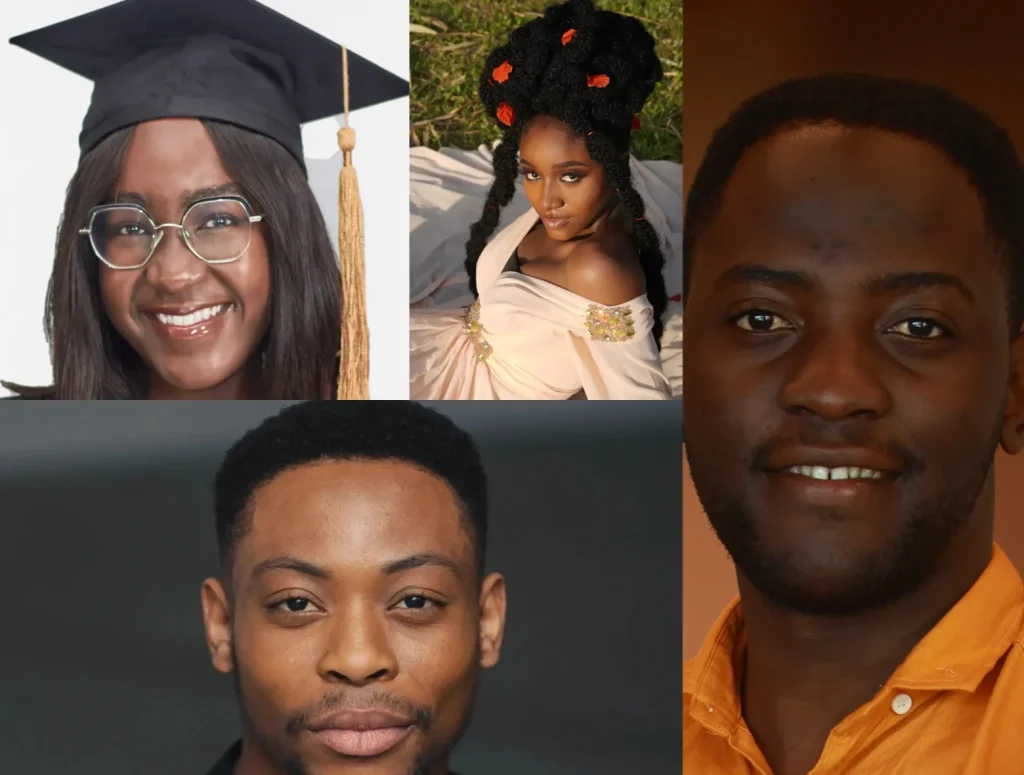
For Georgina Nankole Likukela, an MTF Southern African Academy graduate from Namibia who now serves as Programmes Coordinator at the Filmmakers Association of Namibia, one of the biggest misconceptions global audiences still hold is Africa’s narrow economic framing. “The world still misunderstands Africa’s economic realities,” she says. “While many African countries face economic challenges, Africa should not be defined solely by poverty. There is so much more to who we are.”
And that nuance matters. “Our breathtaking landscapes, cultural richness and resilience tell stories far beyond hardship,” she adds. “Like any other continent, we have our challenges, but those realities do not define us. Authentic African storytelling should reflect both our struggles and our innovations in equal measure.”
This reframing is increasingly visible in contemporary African cinema and television, where filmmakers are moving beyond singular narratives and embracing more layered storytelling – stories about aspiration, migration, identity, spirituality, humour, entrepreneurship, intergenerational tension and belonging.
In many ways, this creative shift mirrors Africa itself: youthful, complex, digitally connected and culturally dynamic.
Language, too, is emerging as an important site of creative reclamation. Ivan Tusabe, an East Africa Academy alumna, screenwriter, and director, emphasizes its importance in his work, “language is central to my storytelling because it carries culture, emotion, identity, and rhythm in ways that translation cannot always fully capture.”
In markets where English is often prioritised as commercially neutral, filmmakers are increasingly resisting the pressure to dilute cultural specificity. “I primarily tell my stories in my native language, Luganda, as it gives my stories authenticity and a strong sense of belonging to the place and people they come from,” says Tusabe. “It allows characters to feel natural and truthful, while preserving the richness of our local expressions, humour, and unique ways of communicating.”
This balance between cultural preservation and innovation is equally central to how younger filmmakers are approaching global audiences.