

The Boda Boda Leadership in Uganda has urged government to reduce electricity and meter installation costs to support adoption of electric bikes.
During the Union Transport Alliance press conference in Kansanga, Mr Frank Mawejje, Chairman of the Boda Boda Union Association of Uganda, highlighted the burden of rising fuel costs and called for a shift to electric bikes as a cheaper, sustainable solution.
- Advertisement -

Mawejje said the sector is under growing pressure due to escalating fuel costs.
“The fuel hike means boda boda riders have to spend more on fuel but earn less. It means our work is crippled because it leads to increased transport fares, which many passengers are unwilling to accept,” Mawejje said.
“The fuel hike also reduces profit margins for riders, while the number of passengers gradually declines due to higher fares,” he added.
He noted that fuel prices now range from about Shs5,400 per litre within the Greater Kampala Metropolitan Area to as high as Shs7,000 in upcountry areas, significantly increasing the cost of doing business for riders.
Mawejje said this environment makes a strong case for electric mobility. “This is where electric mobility steps in, offering a compelling alternative that shields riders from the volatility of the global oil market.
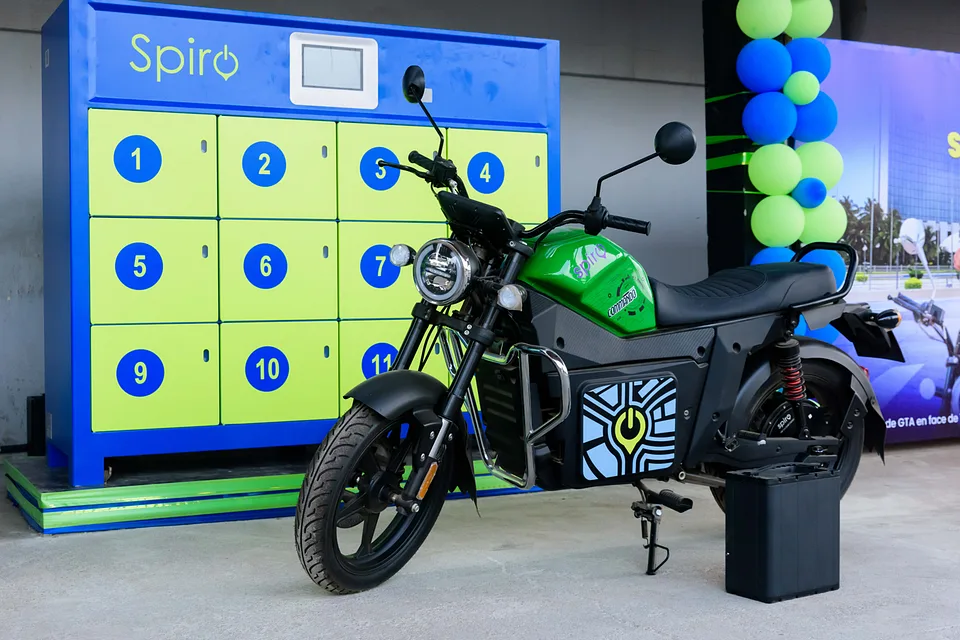
The numbers speak for themselves. While a rider might spend between Shs25,000 and Shs40,000 daily on petrol, Spiro Uganda offers a fixed battery-swapping fee of just Shs8,400. This single swap provides enough power to cover up to 100 kilometres and guarantees a minimum earning of Shs30,000 for riders who make the switch,” he said.
He revealed that the boda boda union has signed a memorandum of understanding with Spiro Uganda to facilitate access to electric bikes through a credit scheme.
Under the arrangement, up to 100,000 electric bikes are expected to be rolled out by December. “A rider is required to pay only Shs120,000 as the initial instalment to acquire the electric bike on loan, then continue paying in instalments until completion. I urge boda boda riders to take up this opportunity,” Mawejje said.
He added that the company has already established about 310 battery charging and swapping stations across the country, with plans to expand to more than 2,500. Additionally, over 1,500 service stations are projected.
“Each swap station employs at least three people, while each service station employs four. There is a ripple effect in terms of employment for Ugandans as these facilities expand,” he said.
However, Mawejje called on the government to reduce electricity tariffs for charging stations to further support the transition to electric mobility.