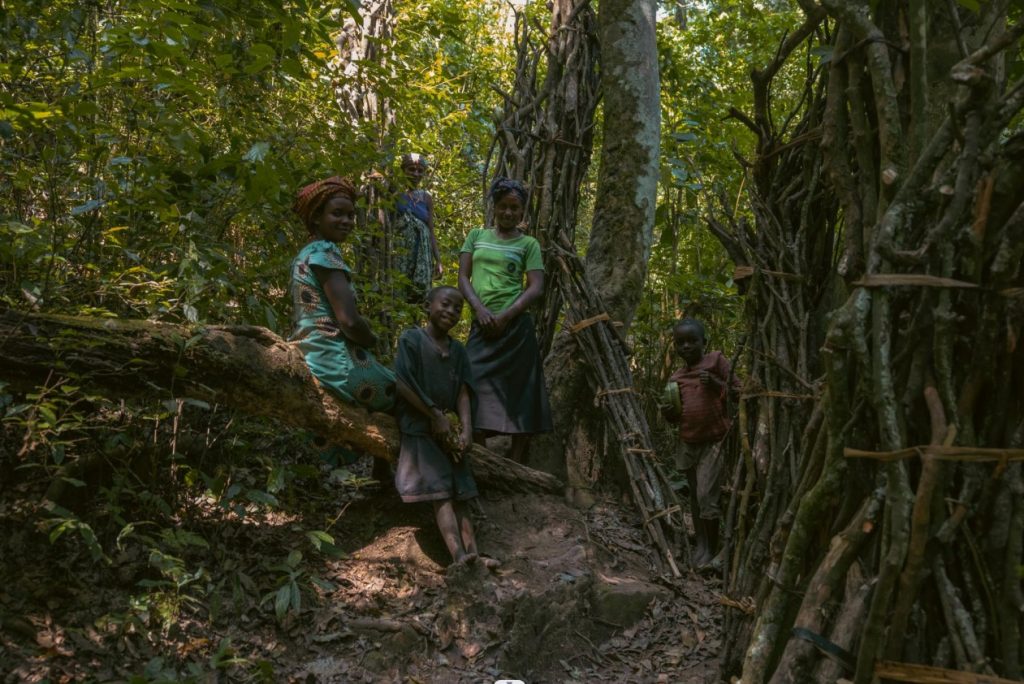

For decades, conservation in Uganda was often seen as a strict choice between people and nature. Protect a forest, the old logic went, and you had to keep humans out. Communities living near forests were treated as obstacles rather than allies. For rural families, this often meant losing access to land, firewood, and other resources they depended on to survive.

- Advertisement -
But today, that narrative is changing. Across the country, conservation is becoming less about guarding forests and more about partnering with the people who live alongside them. This modern approach recognizes that when communities are empowered, both nature and people can thrive.
The Environmental Conservation Trust of Uganda (ECOTRUST) has been at the forefront of this shift since 1999. A not-for-profit organization, ECOTRUST works to conserve biodiversity while improving social welfare through innovative environmental management. Its focus is simple but powerful: communities are not the problem, they are the solution.
“Conservation cannot succeed if people see it as taking away their land or livelihood,” says an ECOTRUST official. “When we empower communities to manage their resources, they become the strongest stewards of the environment.”

- Advertisement -
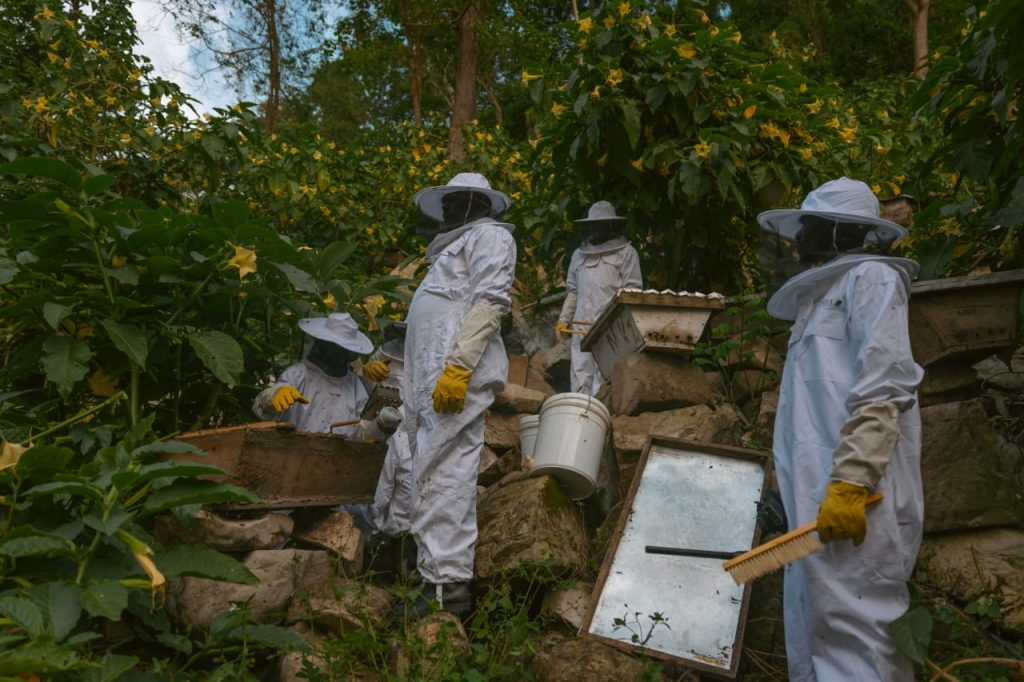
Standing forests are not just scenic, they are natural factories for sustainable income. When allowed to grow, forests provide high-value non-timber products such as honey, medicinal plants, and essential oils. These goods often fetch premium prices in international organic and fair-trade markets.
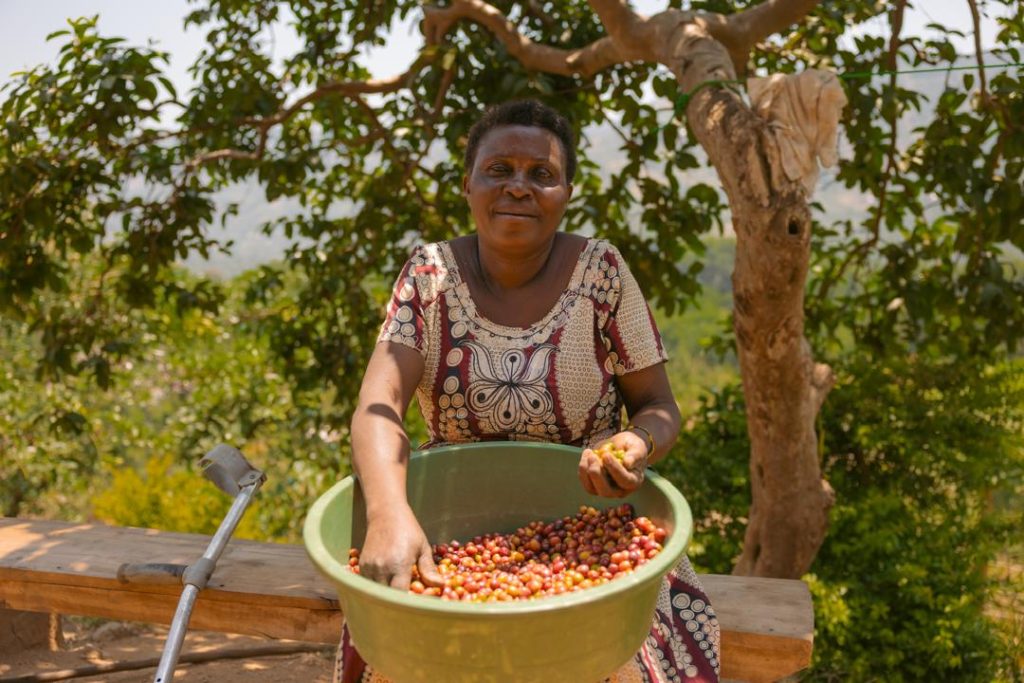
Farmers are also exploring agroforestry, planting coffee, cocoa, or vanilla under the forest canopy. The trees themselves act as natural infrastructure, preventing soil erosion, enriching the land, and reducing dependence on costly chemical fertilizers. In effect, a healthy forest both feeds the soil and the family.
This approach transforms forests from “forbidden zones” into assets. Rather than being forced to cut trees illegally to survive, families now see the forest as a partner in their economic growth.
ECOTRUST’s model, known as Conservation Finance, turns environmental protection into a business opportunity. Communities are organized into structures that attract private sector investment, linking local efforts to global markets.
A flagship tool is Payments for Ecosystem Services (PES). Under PES, landowners are financially rewarded for managing their land in ways that provide ecological benefits.