
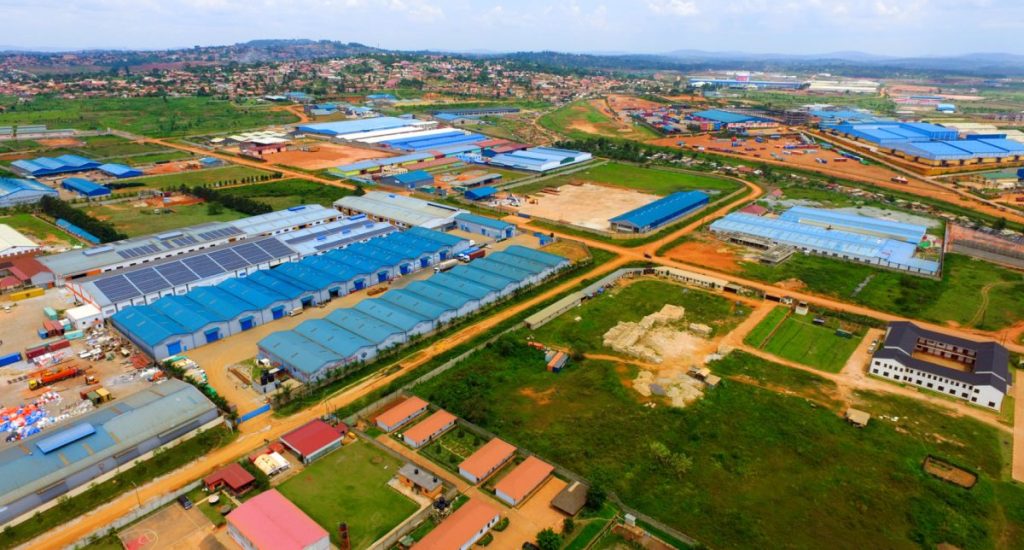
In the rhythmic hum of factories and the clang of steel, Uganda’s future is being forged—not in distant boardrooms, but in the heart of its industrial parks, workshops, and innovation hubs. President Yoweri Museveni’s manifesto places manufacturing at the very core of Uganda’s economic renaissance, not as a side note but as the main engine driving the country toward prosperity, resilience, and regional dominance. It’s a vision rooted in history, powered by progress, and aimed squarely at transforming Uganda into a self-sustaining, export-driven economy.

- Advertisement -
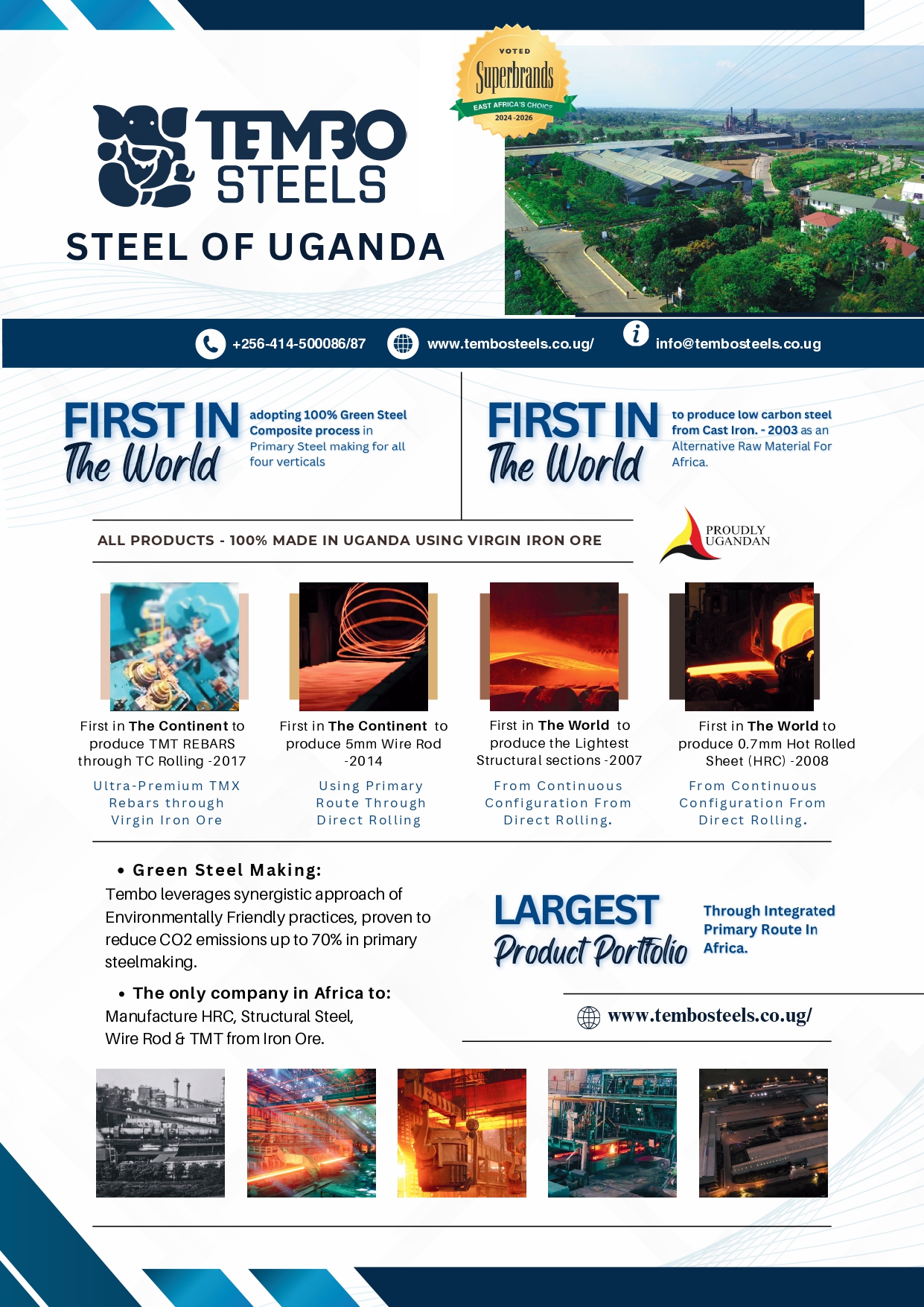
Since the NRM took the reins in 1986, manufacturing has been more than a policy—it’s been a mission. A mission to add value to Uganda’s abundant raw materials, reduce dependency on imports, create meaningful jobs, and shield the economy from external shocks. Back then, Uganda imported nearly everything it consumed. Today, thanks to deliberate and strategic investment, the country is a net exporter of goods it once relied on from abroad—soap, sugar, milk, salt, cooking oil, soda, beer, cement, steel, paper. The transformation is not just impressive—it’s revolutionary.
Over the past 15 years, Uganda has added 31 new value-added products to its export basket. These aren’t just commodities—they’re symbols of industrial maturity. Steel, cement, ceramic tiles, pharmaceuticals, processed foods, dairy products, casein, cosmetics, and textiles now flow from Ugandan factories to regional and global markets. Manufacturing contributes 15.6% to Uganda’s GDP, translating to USD 9.6 billion out of a total USD 61.3 billion as of June 2025. Even more striking, manufactured goods now account for 23% of Uganda’s total exports—USD 2.4 billion out of USD 10.6 billion. This is a far cry from the import-dependent economy of the 1980s.
- Advertisement -
But Museveni isn’t stopping at basic production. The next chapter is about moving up the value chain—into secondary and tertiary manufacturing. This means Ugandan products won’t just be affordable—they’ll be competitive, attractive, and globally sought-after. It’s about building an economy that doesn’t just survive, but thrives. One that creates wealth, sustains growth, and uplifts every Ugandan.
To make this leap, the NRM is rolling out a robust, multi-layered strategy. First, Uganda Development Corporation (UDC) and National Enterprise Corporation (NEC) will be further capitalized to invest in priority areas, including co-investment with the private sector. This equity financing model ensures that public and private players move in tandem, sharing risks and rewards. Uganda Development Bank (UDB) will also receive more capital to provide affordable, patient financing to manufacturers—because building factories takes time, and Uganda is ready to wait for greatness.