

Uganda is home to over 1.8 million refugees, according to April 2025 figures from the United Nations High Commissioner for Refugees (UNHCR). Fleeing conflict in South Sudan, the Democratic Republic of Congo, Burundi, and Rwanda, many arrive with entrepreneurial aspirations in farming, trade, and craftsmanship; but with limited or no access to formal financial services.

- Advertisement -
Despite Uganda’s globally praised refugee policy, which offers freedom of movement, the right to work, and access to land, economic inclusion, particularly in the financial sector remains a challenge. The situation worsened in 2025 after major cuts in humanitarian aid disrupted many traditional support systems.
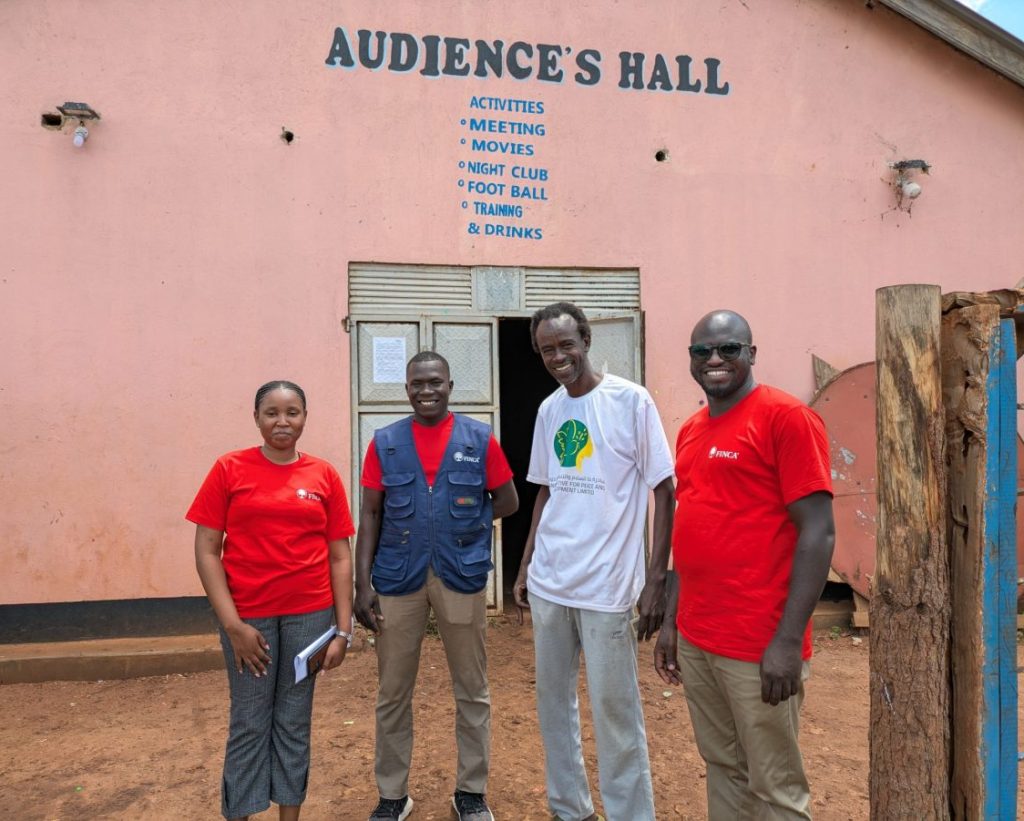
To fill this gap, institutions like FINCA Uganda have stepped in with targeted interventions. Since 2019, FINCA has been running its RISE program (Refugees: Innovation, Self-reliance, and Empowerment), which was initially launched in the Kiryandongo refugee settlement. This program has since expanded to other major settlements, including Bidibidi, Rhino Camp, Adjumani, Kyaka II, Imvepi, for more empowerment.
Through partnerships with organizations such as Kiva, Opportunity International, Mercy Corps, and GIZ, FINCA has designed tailored financial solutions that meet the unique needs of refugees.
A critical breakthrough came when FINCA revised its eligibility criteria to accept Refugee ID cards in place of conventional collateral like land titles. This made it possible for refugees, who often lack formal identification or property, to access microloans and begin or grow small businesses.

- Advertisement -
“I wanted to borrow money, but it wasn’t easy because I was a refugee from South Sudan settled in Kiryandongo,” said Auma Santa. “I thank FINCA for providing loans to refugees, as they have helped develop many businesses in our communities.”