
Forum for Women in Democracy (FOWODE), a non-governmental organisation that offers a platform for Ugandan women’s learning, networking, sharing experiences and advocating for gender equality and equity in decision-making process has tasked Ugandan government to safeguard the Health Sector Human Resources budget from cuts if it is to address the gaps identified in the budget strategy in relation to human resources for health.
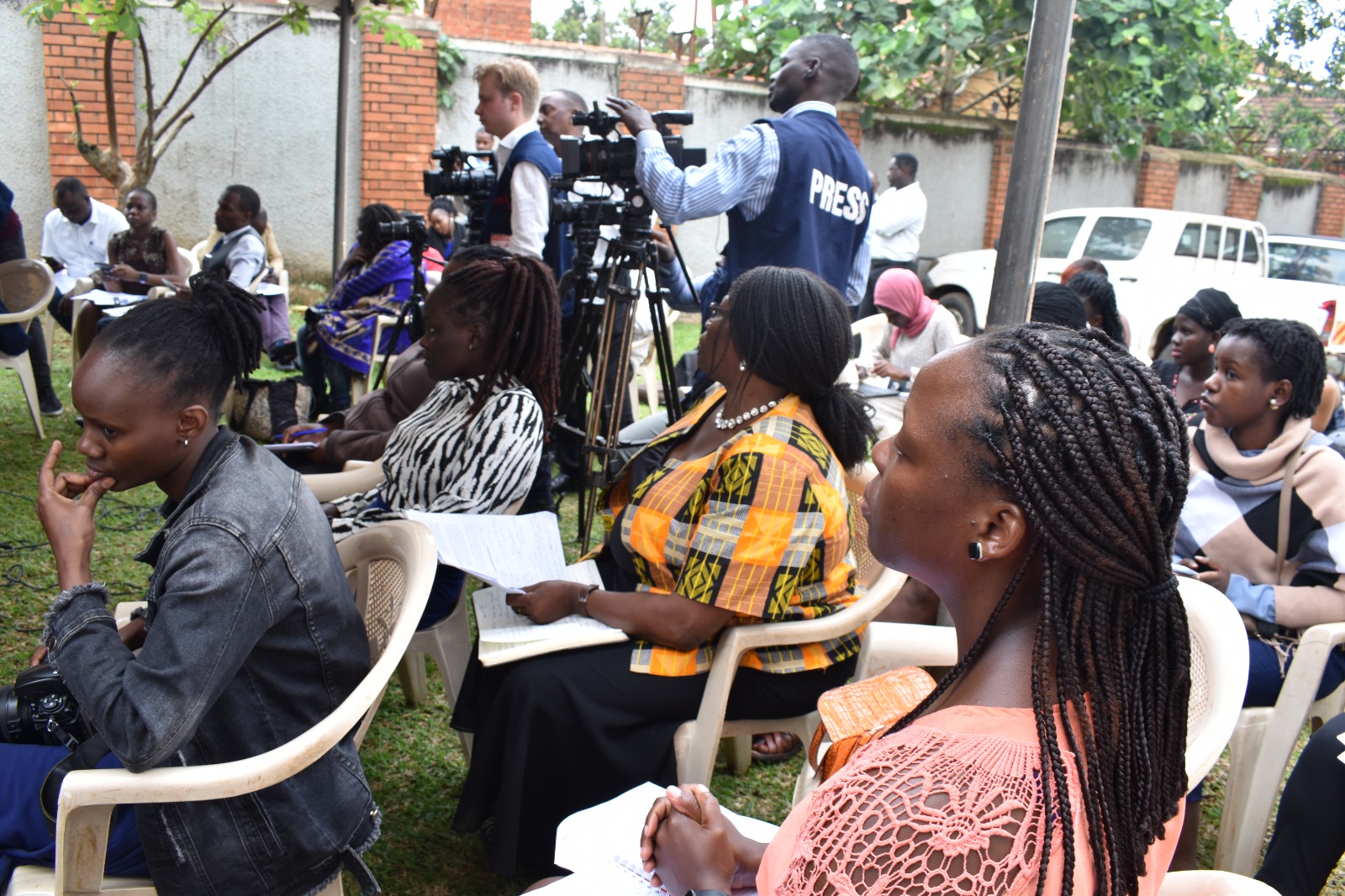
Addressing the Media at the FOWODE Office in Ntinda Kampala in response to approved Budget Estimates for FY2023/24 under the Theme: Who is In, Who is Out: Women and the FY 2023/24 budget, FOWODE and sister CSOs tasked the Ugandan government to prioritize and allocate resources to close the 41% staffing gap in the Child health Department, increase funding to support Community Based Services Departments in local governments, fully fund the costed strategic plan of the gender unit under ministry of education in order to eliminate/reduce the gender inequalities among other recommendations .
HERE IS THE FULL STATEMENT
-
INTRODUCTION
The country has reached the climax of the budgeting process for FY2023/24, with the Minister of Finance set to unveil the budget tomorrow 15th June 2023. This comes on the backdrop of the “State of the Nation Address (SONA)” that was delivered by the President on 7th June 2023, debate and passing of the Annual Budget Estimates by Parliament, and consultative processes at national and sub-national levels.
Although the FY2023/24 budget has already been passed/approved by Parliament, advocacy on issues we feel are pertinent continues, with the view of influencing budget execution and pushing for inclusion of highlighted issues in the FY2024/25 budget process that will commence in August –September this year.
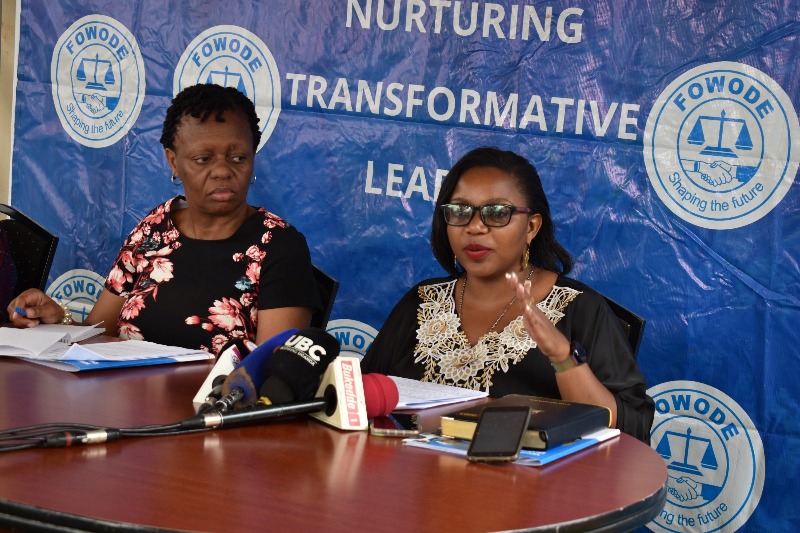
Forum for Women in Democracy (FOWODE) and the CSO community in general recognize the significance of the National Budget as a policy instrument that can be utilized to effect gender equality and equity. As an organisation that has been at the forefront of advocating for gender responsive budgeting since 1998, we strongly believe that sustainable development will only be achieved if policies including the National Budget are structured to redress the persistent gender imbalances that have for long left women and girls on the periphery of development processes.
FOWODE and sister CSOs gathered here today would like to commend the Government of Uganda for completing the FY2023/24 budgeting process in line with Public Finance Management Act 2015 and the Constitution of Uganda. We would also like to appreciate the government’s commitment to implement the provisions of Gender and Equity compliance, as evidenced by the gradual improvement in average CGE scores by MDAs and Local Governments (67% average score for MDAs and LGs against the FY2023/24 MPSs, compared to 65% for FY2022/23). We urge the government to maintain and build up on this positive momentum to ensure that Gender and Equity compliance become integral in planning processes.
The FY2023/24 budget has maintained the same theme from the previous year (Full Monetization of Uganda’s Economy through Commercial Agriculture, Industrialization, Expanding and Broadening Services, Digital Transformation and Market Access), with the major objectives of;
-
i) Restoring macroeconomic stability by ensuring a return to the medium-term growth path of 6% – 7%,
-
ii) Improving competitiveness of the economy, AND
iii) Sustaining Uganda’s socio-economic transformation agenda
We commend this theme and the stated objectives, and confirm that these are in line with the country’s National Development Plan, Vision 2040 and the Sustainable Development Goals (SDGs).
We the members of Civil Society, specifically those promoting the rights of women and girls in all their diversity, having keenly followed the proceedings that led to the passing of the FY2023/24 Annual Budget Estimates by Parliament, and having reviewed other relevant documents such as Ministerial Policy Statements and sub-programme work plans, hereby highlight key concerns that we think have the most bearing on the lives of ordinary citizens, especially women and girls in the FY2023/24 budget that will be unveiled tomorrow.
-
GENDER AND EQUITY CONCERNS IN THE FY2023/24 BUDGET