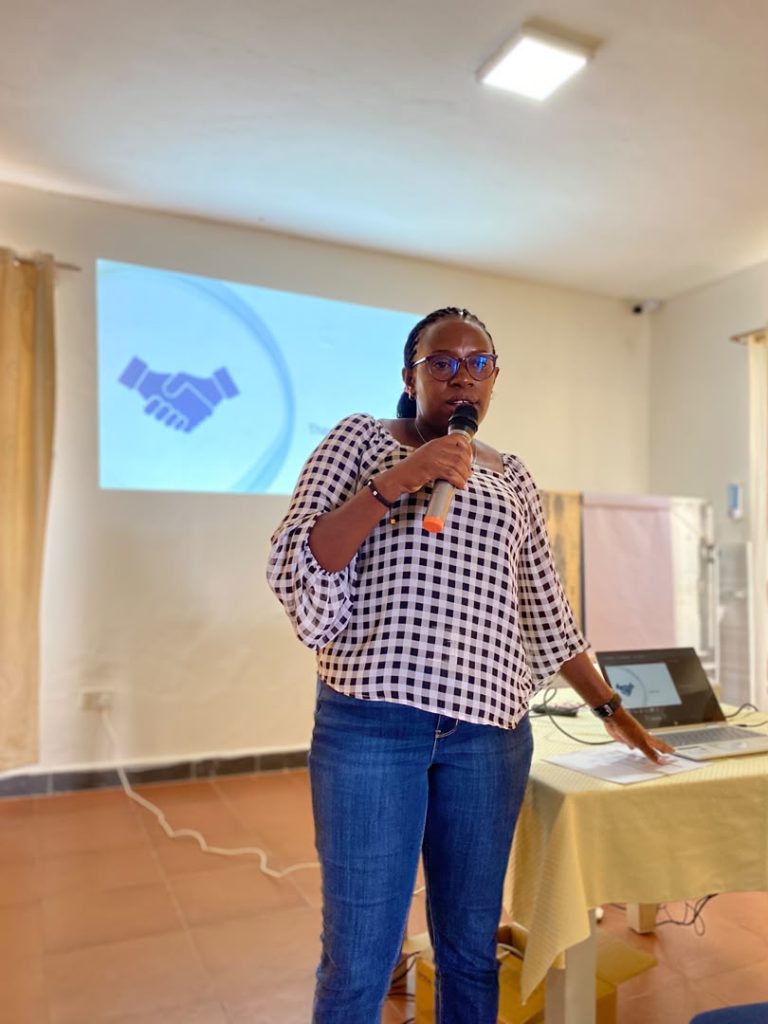

As the Transformative Approach to Sustainable Landscapes and Livelihoods (TASLL) project officially winds down, recently key implementation partners gathered for a high-level stakeholder engagement to review achievements, evaluate challenges, and secure a robust sustainability plan.
- Advertisement -
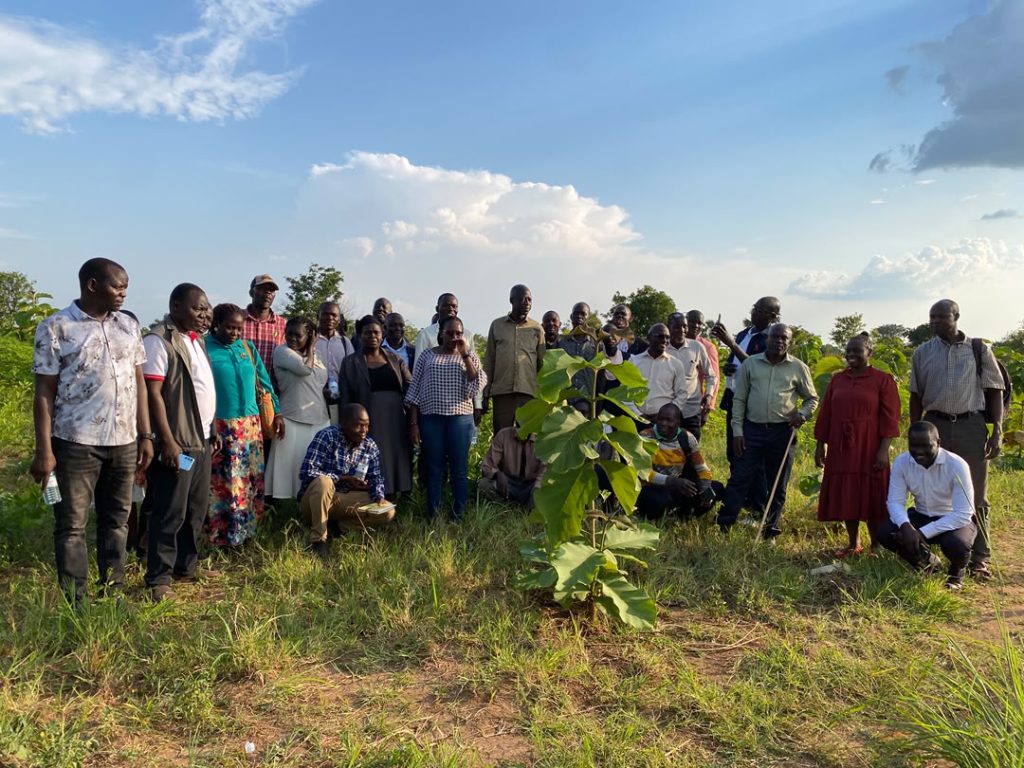
The TASLL Northern Uganda project targeted the critical conservation of over 65,548 hectares of natural forest in the Agoro-Agu landscape, an area in the Acholi sub-region spanning Lamwo, Pader, Kitgum, and Agago districts. To combat local deforestation, the project set out to sustainably reforest 15,000 hectares by planting 6 million native trees, intentionally extending these restoration efforts into refugee-hosting communities.
While the sudden end of funding from the UK’s Foreign, Commonwealth & Development Office (FCDO) was a major talking point at the engagement meeting, ECOTRUST-leadership made it clear that such contingencies are always incorporated into project design.
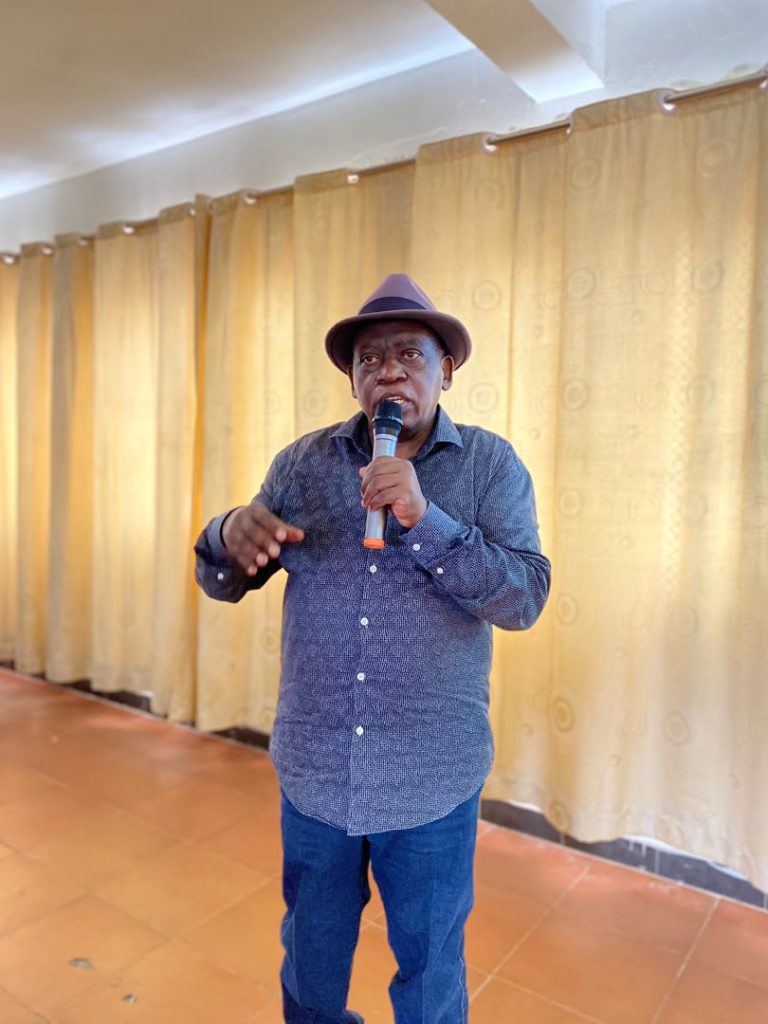
“We received word from the donor that they are unlikely to provide additional funding,” noted Freddie Kalibwani, representing ECOTRUST. “However, the design of this project already anticipated its conclusion. We prepared for this exit strategy, and our message today is clear: we are ready. How do you exit a forestry project? You stay with your trees. We are going nowhere because the trees are right here. We are now transitioning from TASLL to Trees for Global Benefit (TGB), falling back on our mother program. Projects may come and go, but we remain. We are committed to staying by the side of these households for another 25 years.”
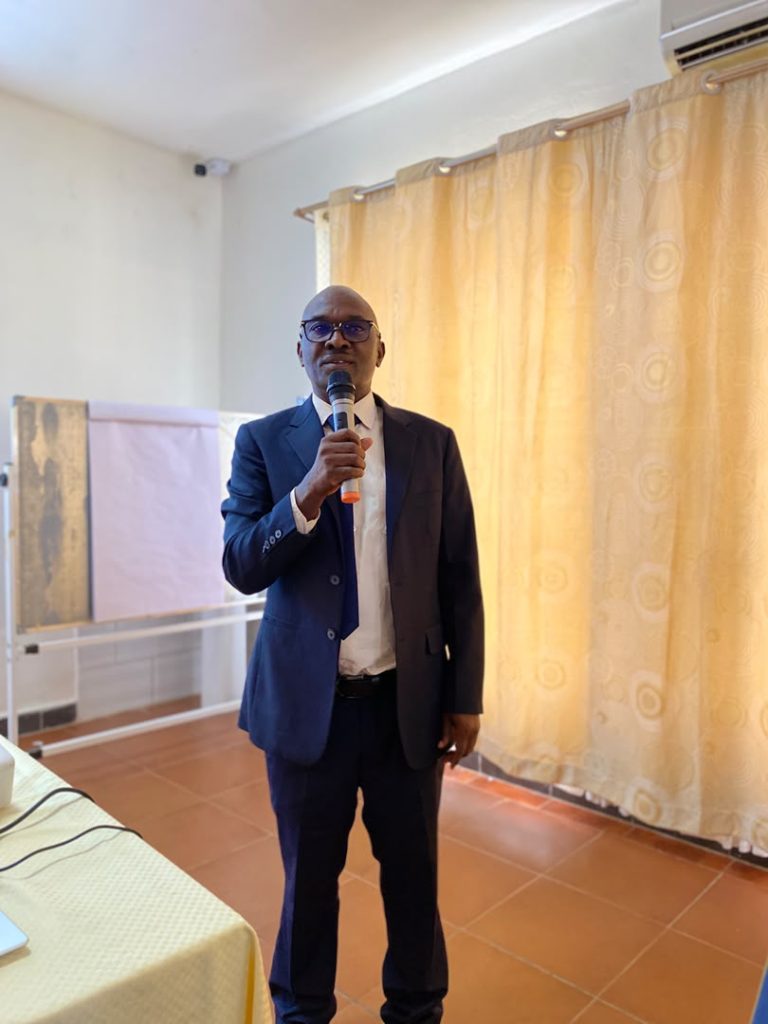
This structural shift moves local farmers into ECOTRUST’s long-running Trees for Global Benefit (TGB) program. Gerald Kairu, the Head of Programmes at ECOTRUST, emphasized that local communities will receive full support throughout this next phase.
“We are ensuring that the activities don’t stop here, they continue,” Kairu explained. “That’s why we call it transiting from the donor-funded FCDO to the ECOTRUST-supported Trees for Global Benefit project. We are still around, so we shall continue supporting these farmers until they join the carbon project. They sign what they call the carbon sales contracts, not land contracts.”