
As the country prepares for first oil in July 2026, the oil and gas sector is entering a transformative phase, and at the heart of this transition lies a powerful story of skills, capacity building, and national empowerment.
- Advertisement -
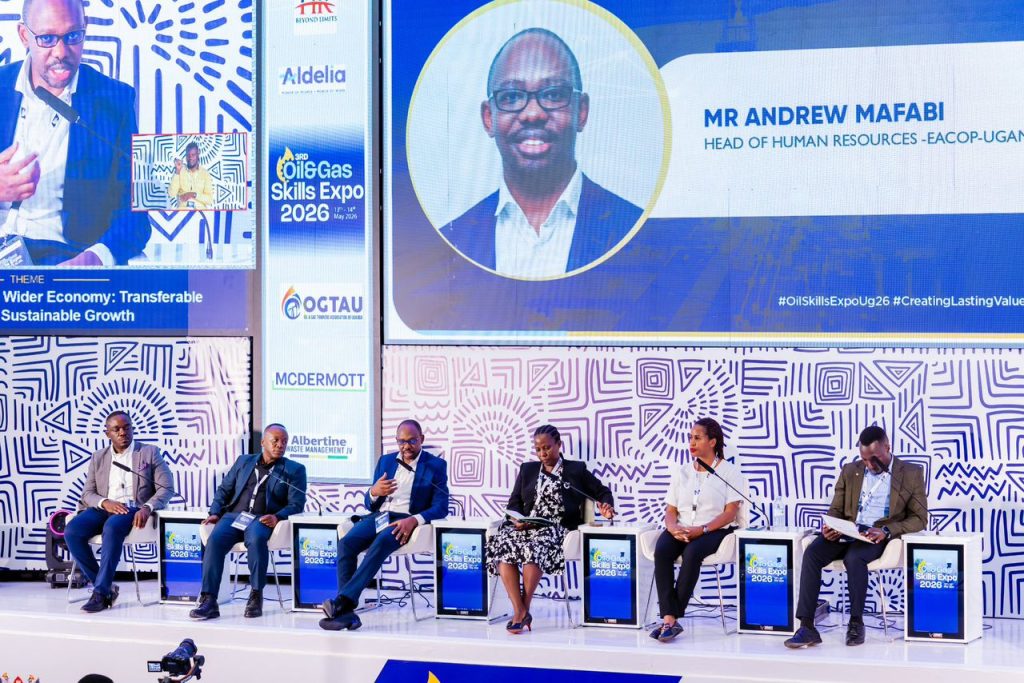
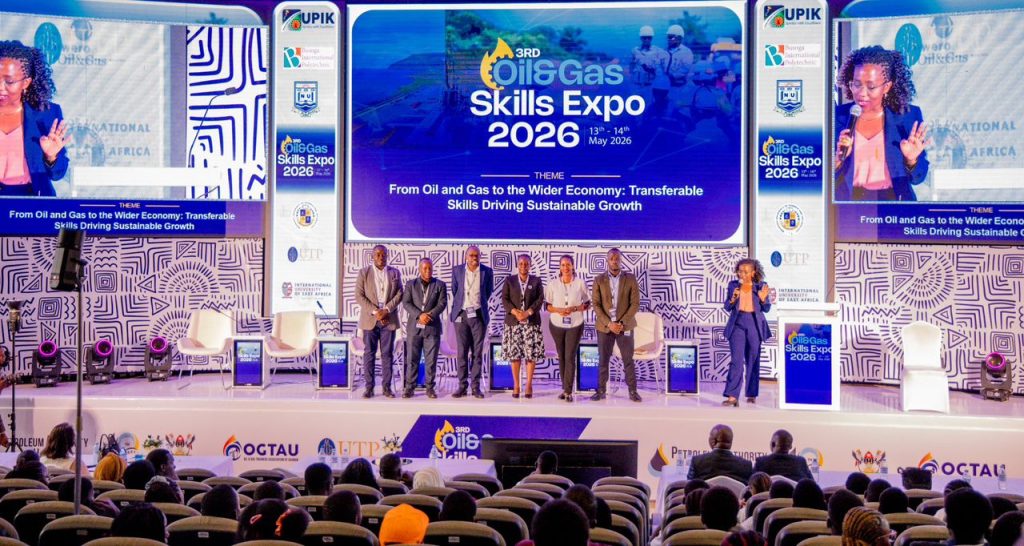
At the recently concluded 3rd Oil and Gas Skills Expo 2026, hosted at Makerere University, the East African Crude Oil Pipeline (EACOP) reaffirmed its commitment to ensuring that Ugandans carry forward transferable skills into the wider economy.
Speaking at the Expo, Andrew Mafabi, HR Manager at EACOP, called on universities and vocational institutions to adapt curricula to emphasize hands-on training, ensuring graduates are market-ready for both oil and gas operations and other industries.
“The challenge for us as nationalists is ensuring our education system remains relevant,” Mafabi noted. “We need to shift the message toward hands-on experience. Looking at international benchmarks, like the Arabic model of vocational excellence, it’s clear that we must rethink how we educate the African graduate to ensure they possess the specific skills the market actually demands.”
He further highlighted the importance of bridging the gap between skills and experience. While Ugandans now possess the technical capacity, exposure to real-world operations remains critical. “As nationals, we have the skills, but the biggest challenge has been experience. That’s why we are investing in attachments, overseas training, and practical exposure. For example, 141 trainees were taken abroad to acquire advanced skills that will be vital in operating the pipeline,” Mafabi explained.